Most people choose coffee by the label that looks right, then hope for the best. A better approach takes about two minutes: start with flavors you already enjoy, then use roast level, origin and brewing method to narrow it down. This guide walks through each step, so the next bag you buy is one you actually look forward to.
Start with what you already like
You don't need coffee vocabulary to know your taste. Think about the coffee you've enjoyed most, and the flavors you reach for elsewhere. Most preferences fall into one of four directions:
- Bright and fruity: you like berries, citrus, crisp apples or a lively, tea-like cup. You usually drink coffee black.
- Smooth and balanced: you want a cup that is easy to drink every day, with gentle sweetness and nothing that stands out too sharply.
- Chocolate and nutty: you're drawn to cocoa, roasted nuts, caramel and honey. Often a good match if you add milk.
- Dark and intense: you like a bold, roasty cup with a heavy feel and little acidity.
None of these is better than another. They are simply different, and knowing which one is yours is the most useful shortcut there is. If one direction already sounds like you, go deeper with bright and fruity coffee, chocolate and nutty coffee or how to get a smoother, less bitter cup.
Roast level: the biggest single factor
Roast level shapes flavor more than anything else you will see on a bag. Lighter roasts keep more of a coffee's natural acidity and fruit. Medium roasts balance that brightness with caramel and chocolate sweetness. Darker roasts trade fruit for roasty, bittersweet flavors and a heavier body.
As a rule of thumb, bright and fruity preferences point to light or light-medium roasts, smooth and balanced to medium, chocolate and nutty to medium or medium-dark, and dark and intense to dark roasts. Our guide to light, medium and dark roast explains why.
Read the tasting notes, not just the name
Tasting notes like "cherry," "milk chocolate" or "toffee" describe flavors that come from the coffee itself. Nothing is added. They are the most direct clue to what the cup will taste like. If the notes on a bag sound like foods you enjoy, you are probably on the right track. Our guide to understanding coffee tasting notes shows how to read them.
Single origin or blend?
A single-origin coffee comes from one country or region and tends to show a distinct character. A blend combines coffees from several origins to build a specific, balanced profile. If you like exploring and drinking coffee black, try single origins. If you want something dependable, or you add milk, a blend is often the easier choice. Read more in single origin vs. coffee blends.
Match the coffee to how you brew
The way you brew changes how a coffee tastes:
- Pour-over highlights clarity and brightness, which suits lighter, fruit-forward coffees.
- Drip coffee makers work well with balanced medium roasts.
- French press produces a fuller, heavier cup that flatters chocolate-forward and darker coffees.
- Espresso and milk drinks benefit from coffees with chocolate and caramel sweetness that hold up to milk.
Any coffee can be brewed any way, so treat this as a starting point, not a rule. Getting the coffee-to-water ratio and grind size right matters just as much.
Whole bean or ground?
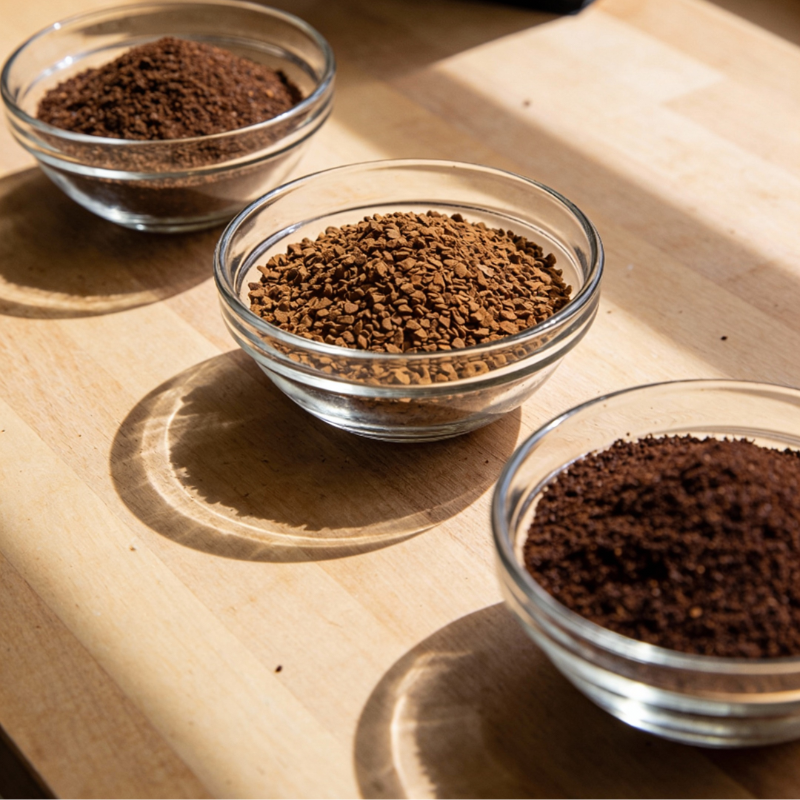
Whole bean coffee stays fresh longer and lets you grind for your exact brewing method. Ground coffee is more convenient if you don't own a grinder. If you buy ground, buy smaller amounts more often. Our guide to whole bean vs. ground coffee covers the trade-offs.
A quick way to narrow it down
| If you like… | Look for | An AUREO example |
|---|---|---|
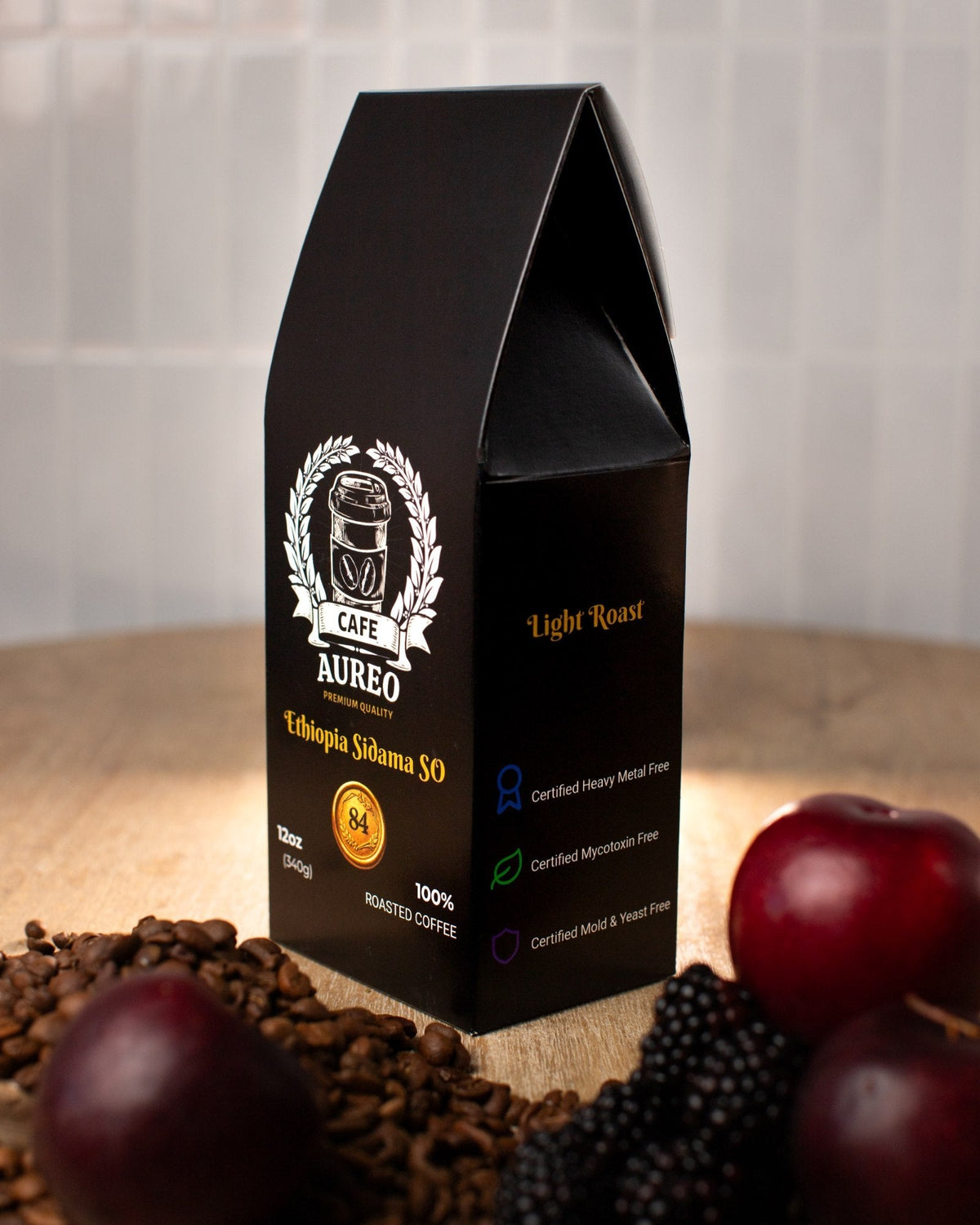
| Bright, fruity, tea-like cups | Light or light-medium roast; fruit or floral notes | Ethiopia Sidama SO: berry, stone fruit, jasmine-like florals |
| Smooth, easy everyday coffee | Medium roast; caramel, praline or nut notes | Smith River: praline, nutty sweetness, medium body |
| Chocolate and nutty flavors | Medium to medium-dark roast; cocoa, nut, honey notes | Brazil SO: roasted peanut, honey, milk chocolate |
| Bold, dark, intense coffee | Dark roast; bittersweet or baker's chocolate notes | Flathead Valley: baker's chocolate, caramelized sugar, deep body |
| Coffee without the caffeine | Decaf, ideally a water-based process (see Swiss Water decaf) | Trapper Peak Decaf: Swiss Water decaf; earthy, herbal, dark chocolate |
Let the Coffee Finder do the matching
If you'd rather not work through it yourself, the AUREO Coffee Finder asks five quick questions about flavor, brewing method, roast, body and caffeine, then suggests the coffee in our range that fits your answers best. You can also browse all AUREO coffees and compare roast levels and tasting notes side by side.
Keep notes when you try something new
The fastest way to learn your taste is to pay attention. When you try a new coffee, jot down the roast level, the tasting notes on the bag and one or two words about what you noticed: brighter than expected, too heavy, perfect with milk. After three or four bags, your preferences will be obvious, and choosing the next one gets easy.