You can buy excellent coffee and still brew a disappointing cup if the grind is wrong. Grind size controls how quickly water extracts flavor from coffee, and every brewing method has a range where it works best. Here's how to match your grind to your brewer, and how to fix coffee that tastes sour or bitter.
Why grind size matters: surface area
Water needs to dissolve flavor out of the coffee particles. The smaller the particles, the more surface area the water can reach, and the faster extraction happens.
- Finer grind: more surface area and faster extraction. Suits short brews.
- Coarser grind: less surface area and slower extraction. Suits long brews.
The goal is balance. Too little extraction tastes sour and thin; too much tastes bitter and harsh.
Grind size by brewing method
| Grind | Looks and feels like | Best for | Typical contact time |
|---|---|---|---|
| Extra coarse | Peppercorns, chunky | Cold brew | 12–18 hours |
| Coarse | Coarse sea salt | French press | About 4 minutes |
| Medium | Regular sand | Drip coffee makers, flat-bottom pour-over | 4–6 minutes |
| Medium-fine | Fine sand | Cone pour-over (such as V60), AeroPress | 2½–3½ minutes |
| Fine | Table salt | Espresso, moka pot | About 25–30 seconds for espresso |
| Extra fine | Flour or powdered sugar | Turkish coffee | Brewed in the pot |
These are starting points. Every grinder is calibrated differently, so the right setting on your grinder is the one that tastes right.
Coarse: French press and cold brew
Immersion methods keep coffee and water together for a long time, about 4 minutes for French press and 12 or more hours for cold brew. A coarse grind keeps extraction from running too far, and it's easier to filter. Too fine, and a French press tastes muddy and bitter and becomes hard to press. A full-bodied dark roast like Flathead Valley is a natural match. See our French press guide and cold brew method.
Medium: drip and pour-over
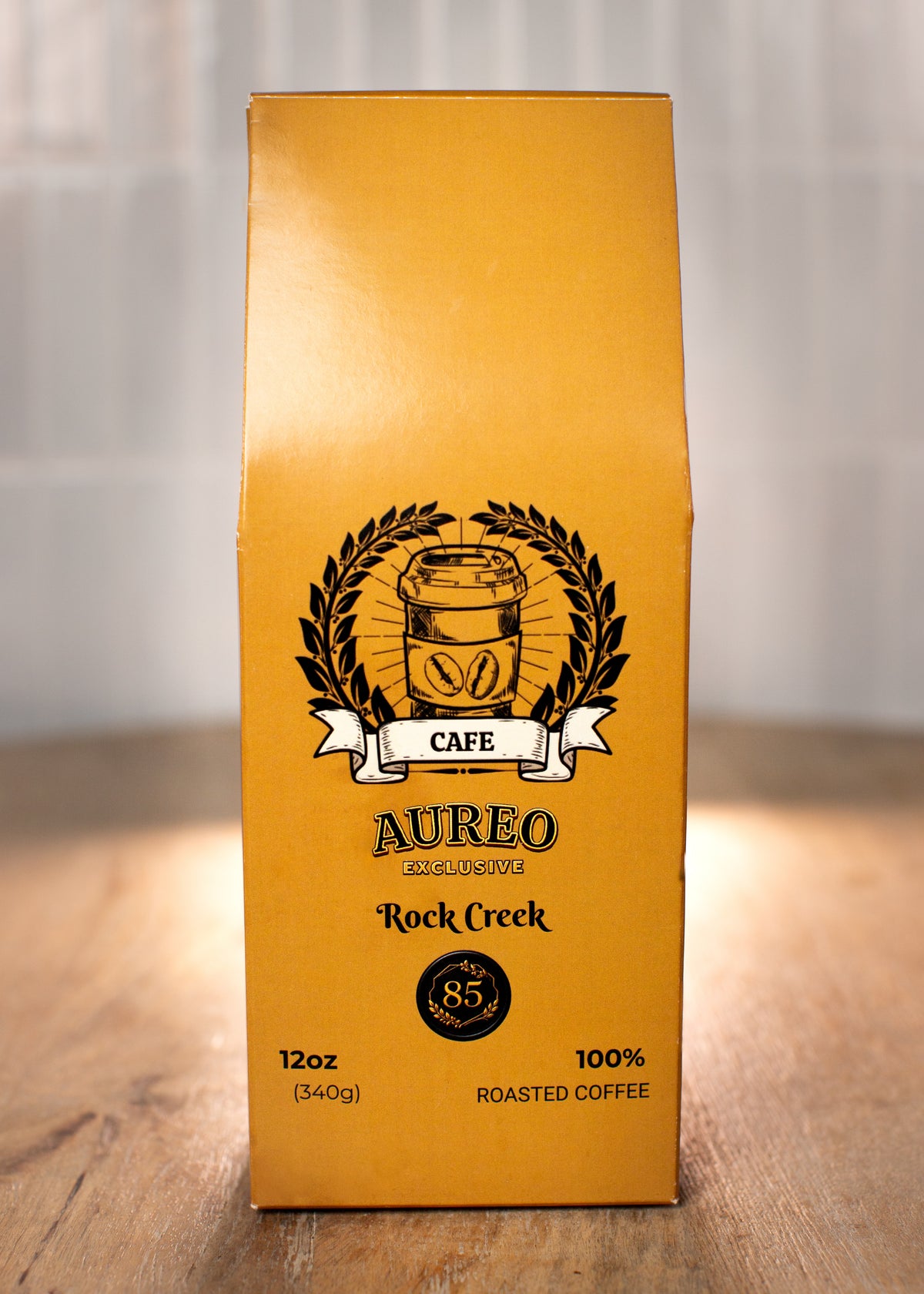
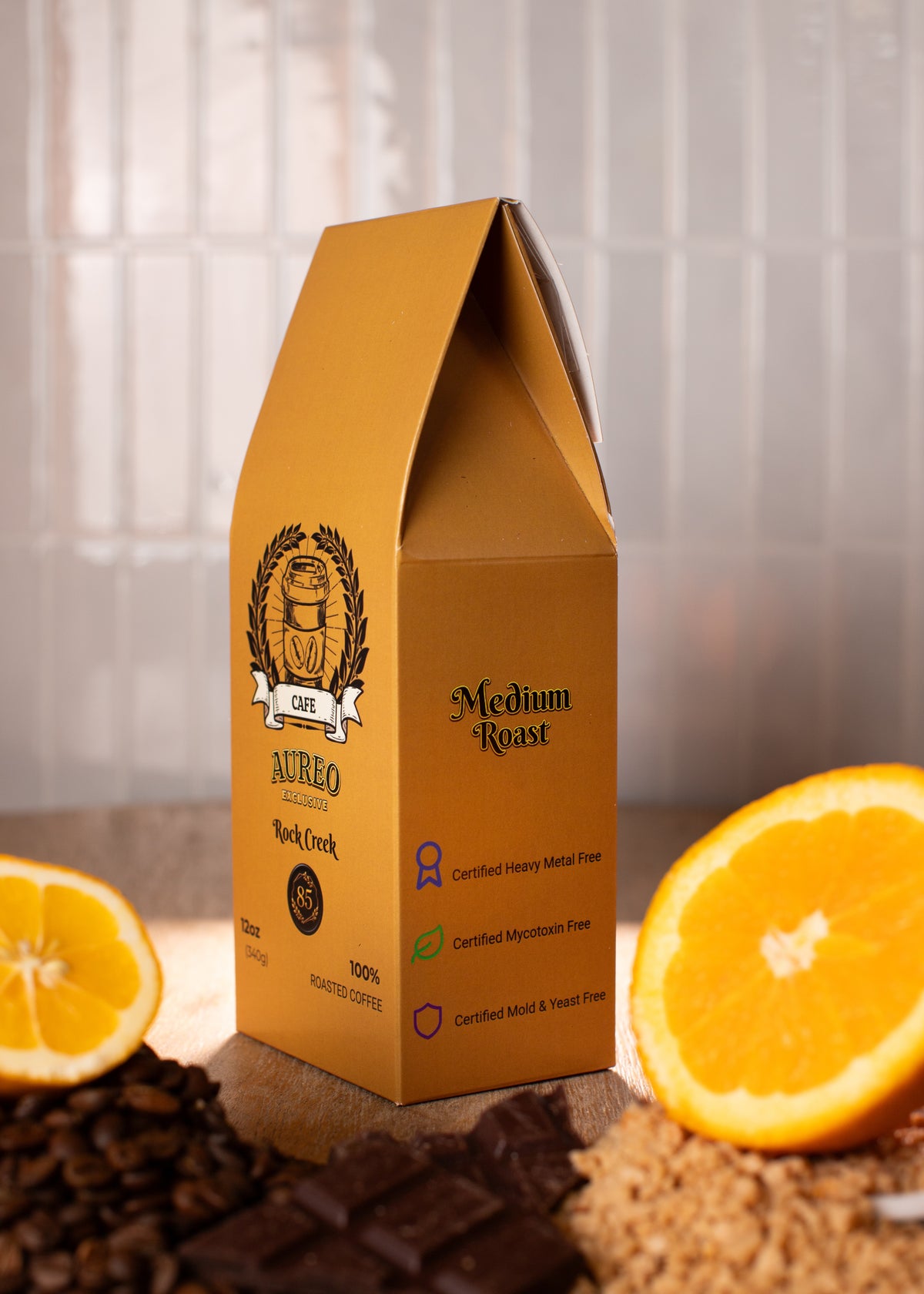
Water flows through the coffee bed, so the grind also controls how fast it drains. Medium is the standard for drip machines; cone pour-over usually wants slightly finer. A balanced medium roast like Rock Creek brews well here. See how to make pour-over coffee and better drip coffee at home.
Fine: espresso
Espresso pushes water through a compact bed of coffee under high pressure in roughly 25 to 30 seconds. A fine grind creates the resistance needed for a syrupy shot. Small grind changes make a big difference here, so adjust in small steps. Cascades, a medium-dark roast with cocoa and toasted nut notes, is a good espresso option.
Troubleshooting by taste
| Your coffee tastes… | Likely cause | Fix |
|---|---|---|
| Sour, sharp, thin or watery | Under-extraction: grind too coarse, or water ran through too fast | Grind finer |
| Bitter, harsh, drying or astringent | Over-extraction: grind too fine, or water ran through too slowly | Grind coarser |
| Muddy, with sediment | Too many very fine particles | Grind coarser, or use a burr grinder |
If the taste is good but weak or too strong, the grind is probably fine; adjust your coffee-to-water ratio instead.
Burr vs. blade grinders
A burr grinder crushes beans between two surfaces set a fixed distance apart, producing particles of fairly even size. A blade grinder chops beans with a spinning blade, producing a mix of dust and chunks that extract unevenly, often bitter and sour at the same time. If you upgrade one piece of equipment, make it a burr grinder.
Grind just before brewing
Ground coffee loses aroma much faster than whole beans, because grinding exposes far more surface to air. For the best flavor, grind right before you brew. If you don't have a grinder, buy ground coffee in smaller amounts and store it well. Our guide to whole bean vs. ground coffee covers the trade-offs, and how to store coffee explains how to keep it fresh.