Browse almost any specialty coffee range and you'll see two kinds of names: some coffees are named for a country or region, like Colombia or Ethiopia; others have names of their own. That's the difference between single-origin coffees and blends. One isn't better than the other. They're built for different purposes, and knowing which suits you makes choosing much easier.
A useful way to think about it: a single origin is a soloist, a blend is an orchestra.
What "single origin" means
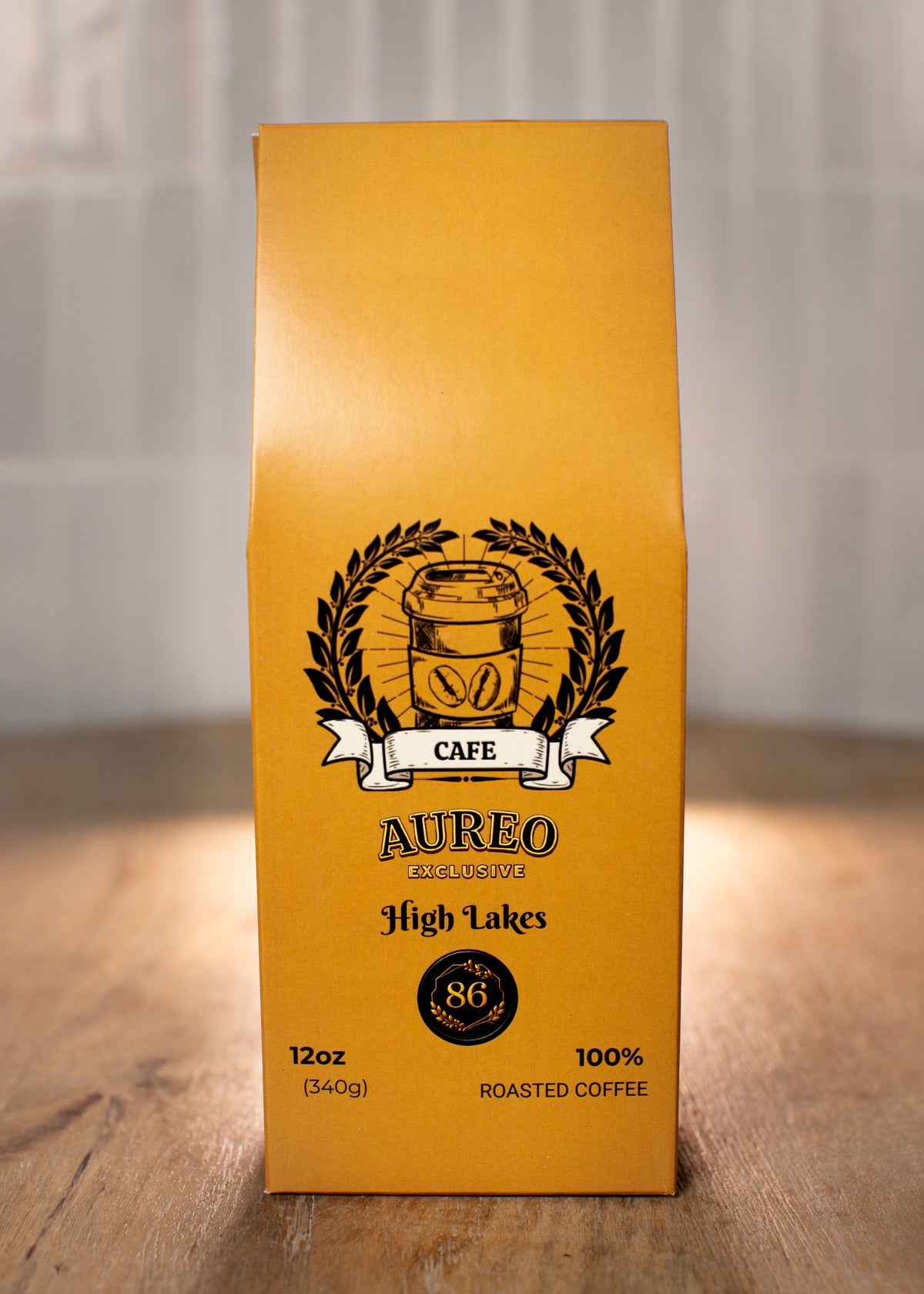
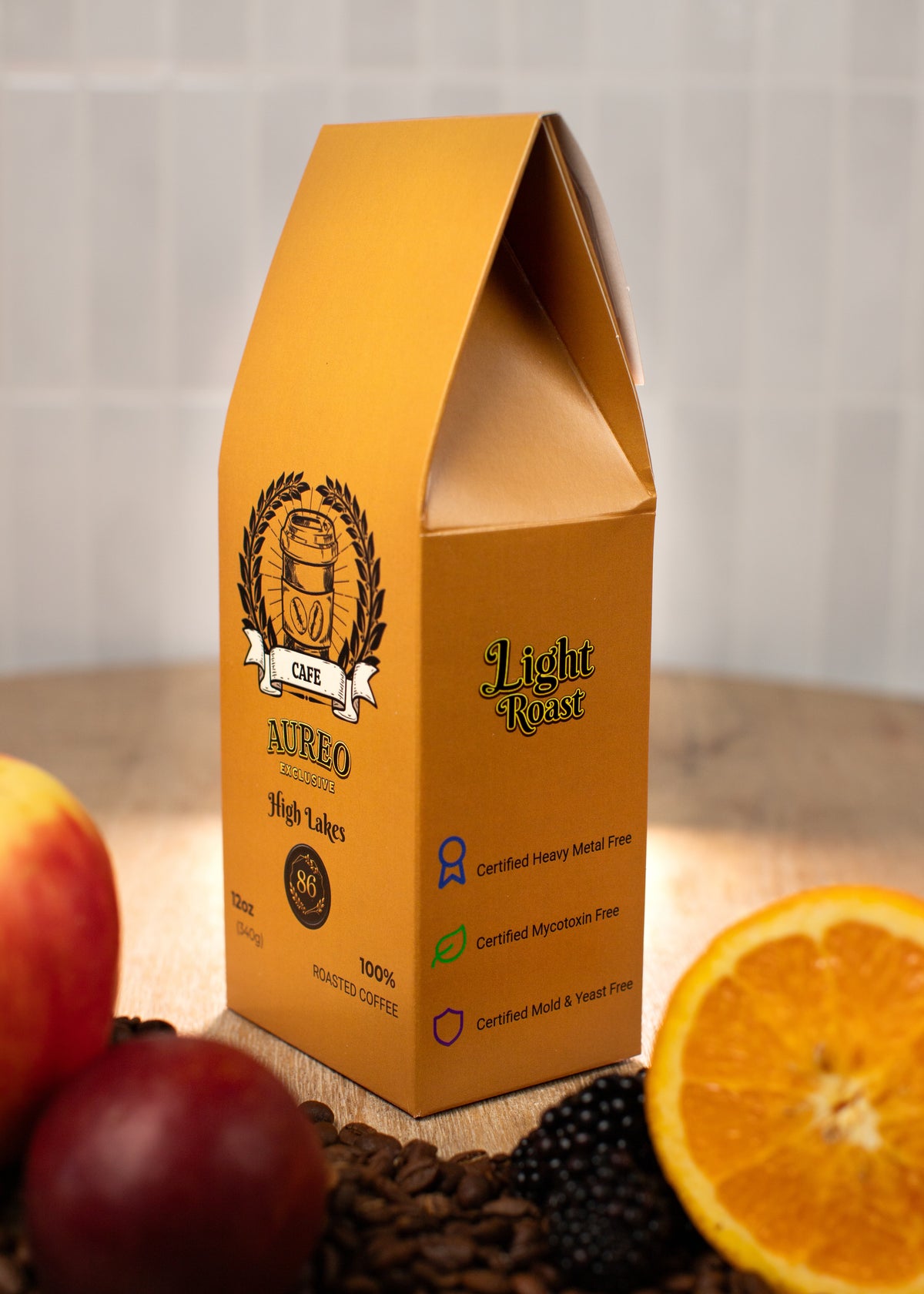
A single-origin coffee comes from one place. That can mean one country, one region within a country, or in some cases a single farm or lot. The point is to taste the character of that place: its climate, altitude, plant varieties and local processing style.
Why choose a single origin
- Distinct personality: single origins often have a clear, recognizable flavor signature.
- Transparency: you know which country and region the coffee comes from.
- Exploration: comparing origins side by side is one of the most rewarding ways to learn what you like.
- Some natural variation: like wine, a single origin can taste slightly different from one harvest to the next.
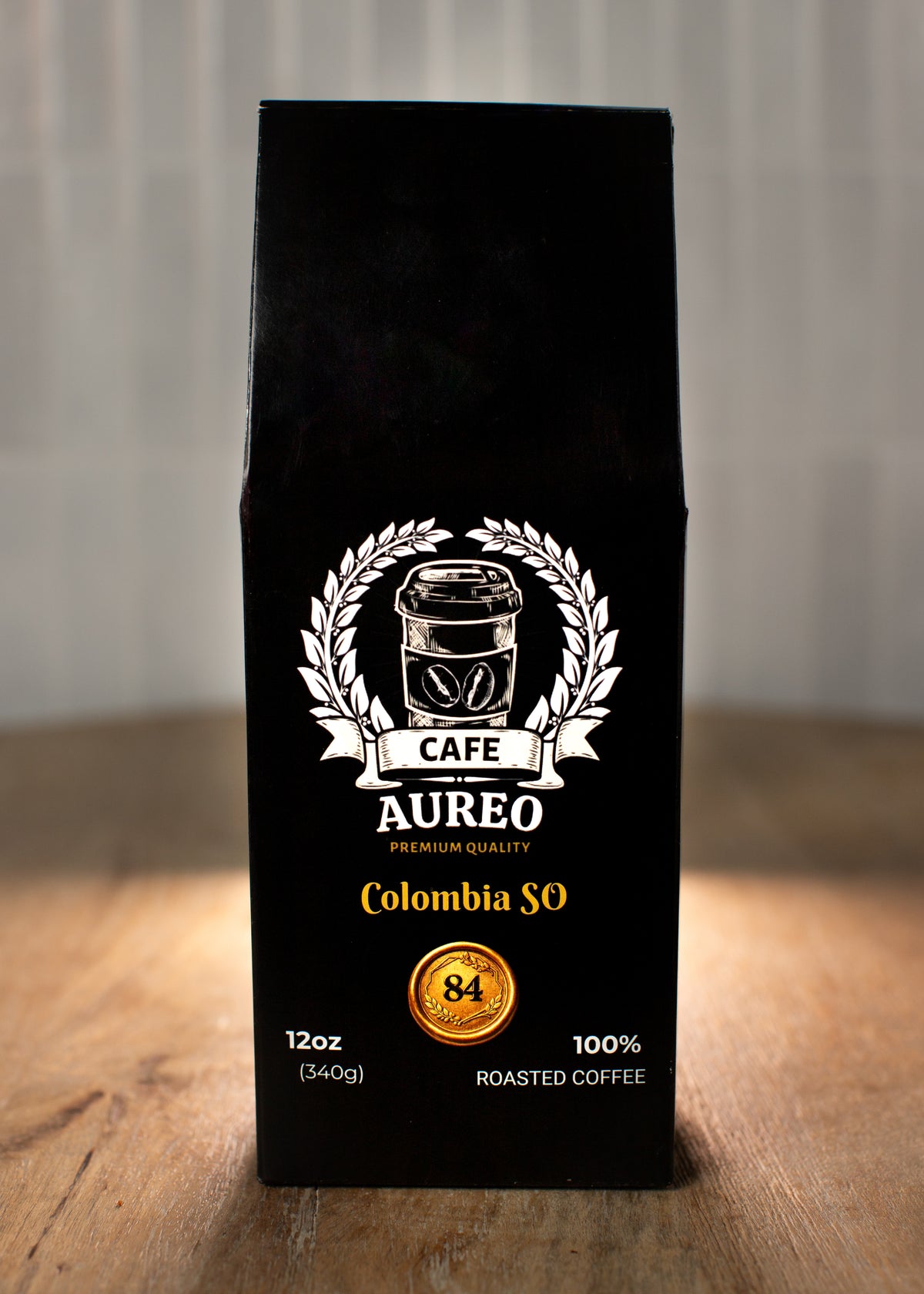
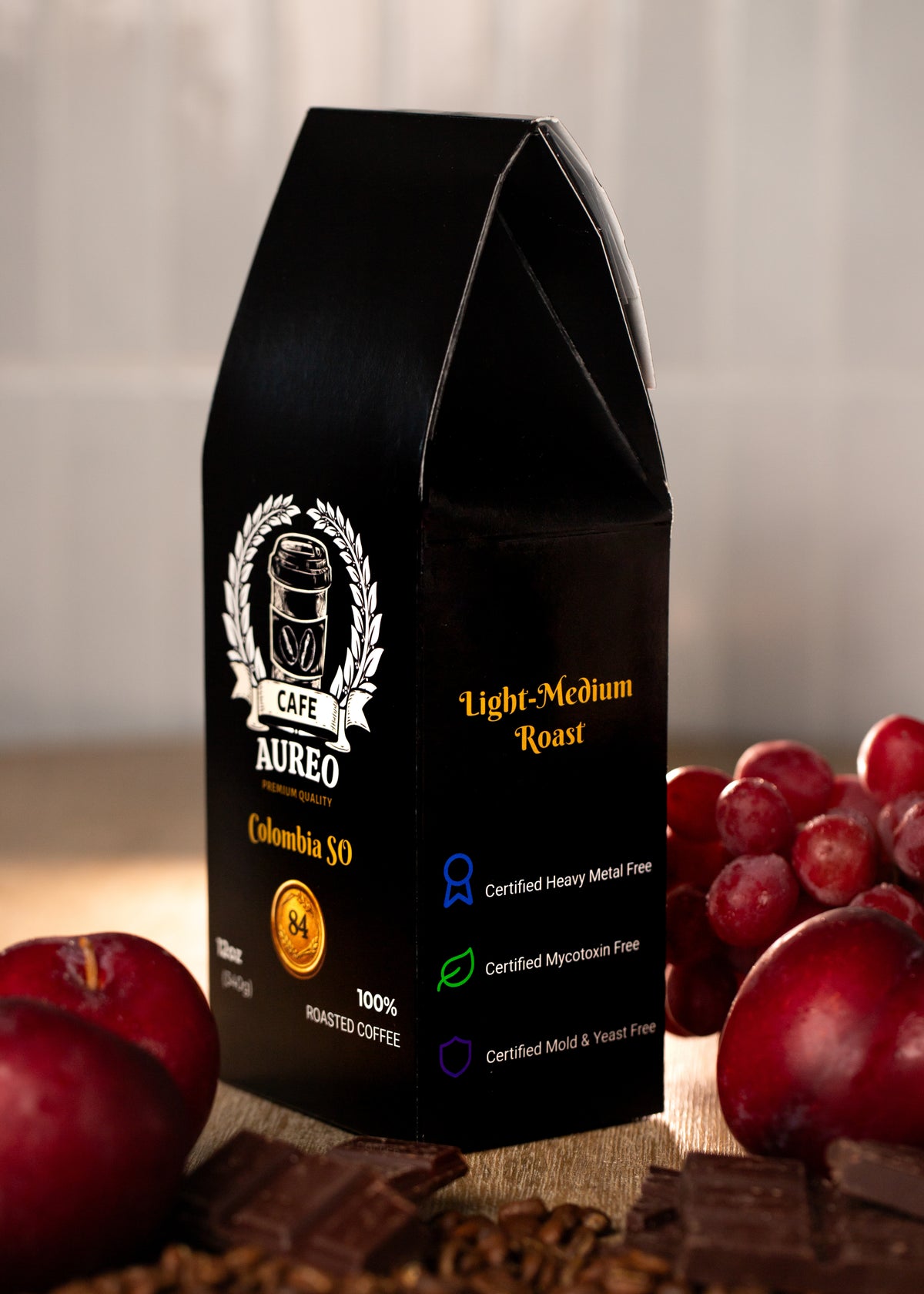
AUREO single origins: Colombia SO (cherry, grape, plum, chocolate, cane sugar, round acidity) and Ethiopia Sidama SO (berry, stone fruit, jasmine-like florals, wine-like depth) show how different two origins can be.
What a coffee blend is
A blend combines coffees from two or more origins. Blending isn't about using leftovers; it's about building a specific flavor profile that no single coffee delivers on its own.
Why choose a blend
- Balance: a bright coffee can be paired with a chocolatey, full-bodied one to create a rounder cup.
- Consistency: blends are designed around a target flavor, so they're typically steadier from bag to bag.
- Versatility: balanced blends often perform well in espresso and milk drinks.
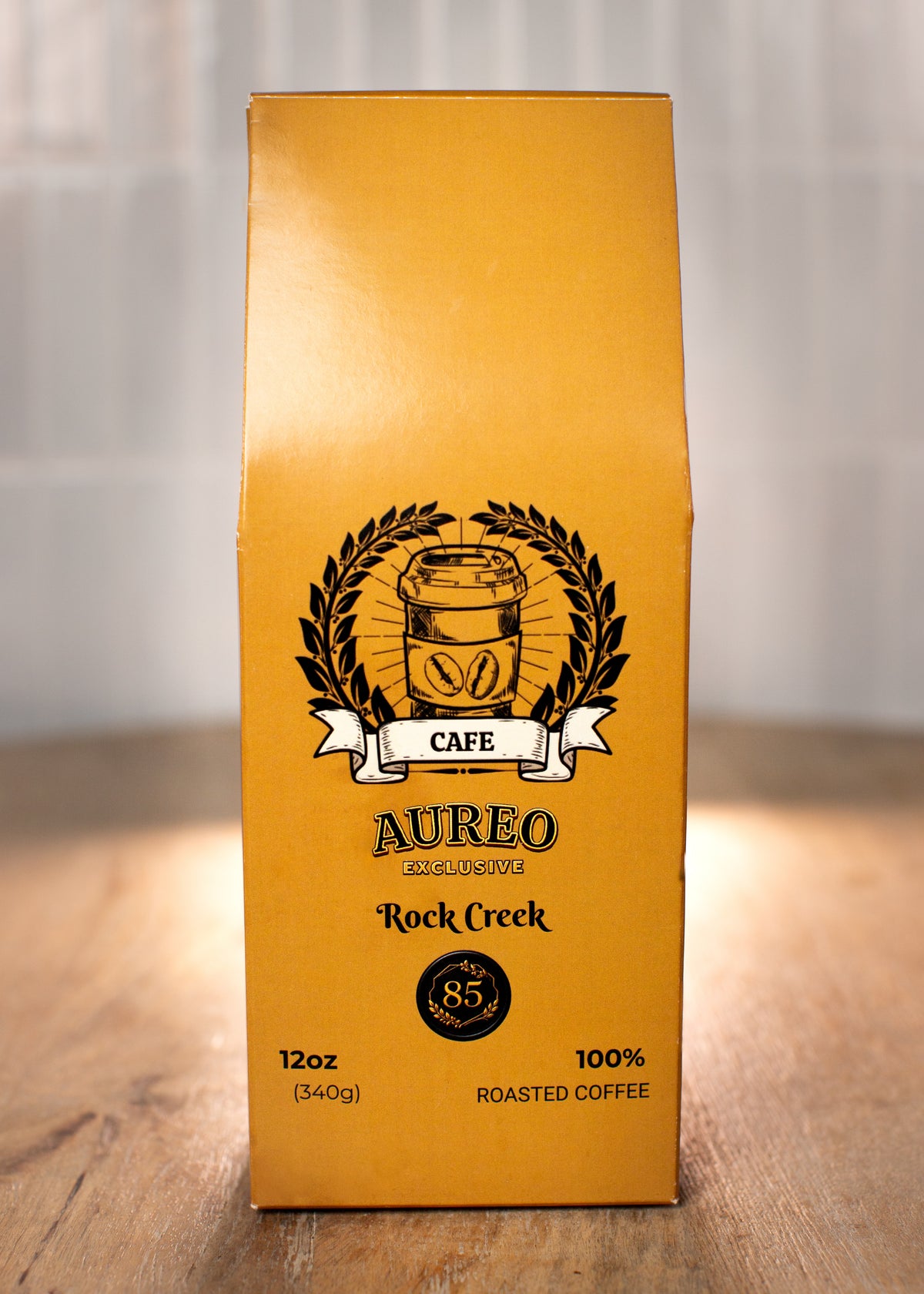
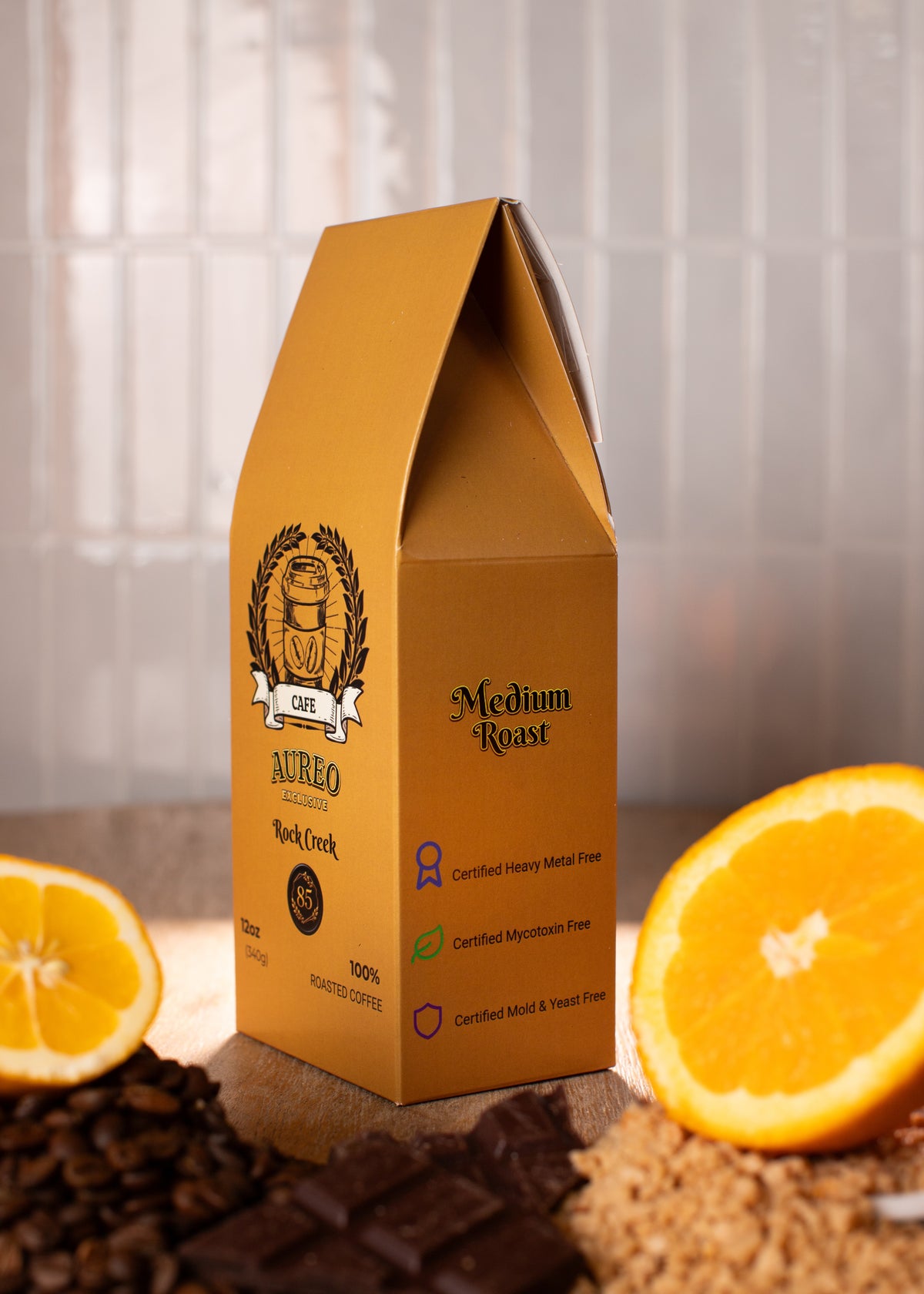
An AUREO blend: Rock Creek combines coffees from Brazil, Colombia, Guatemala and Ethiopia for toffee, dark chocolate and bright citrus.
Side by side
| Single origin | Blend | |
|---|---|---|
| Comes from | One country or region | Two or more origins |
| Goal | Show the character of a place | Build a balanced, specific profile |
| Flavor | Often distinctive and expressive | Often rounded and harmonious |
| Consistency | Can vary slightly by harvest | Designed to stay consistent |
| Great for | Black coffee, pour-over, exploring | Everyday drinking, espresso, milk drinks |
So which is for you?
Reach for a single origin if you like drinking coffee black, enjoy noticing fruit or floral notes, and want to explore. Reach for a blend if you want a comforting, reliable cup, especially if you make lattes or cappuccinos.
Most coffee lovers end up enjoying both. To understand why origins taste so different, read our coffee origins guide and washed vs. natural coffee. If you'd rather start from flavor, see how to choose coffee you'll actually like, or compare AUREO single origins and blends.