Some bitterness is a natural part of coffee, the same way it is in dark chocolate. But a cup that tastes harsh, ashy or unpleasantly bitter usually has a specific cause, and most of the time it's easy to fix. Here's what makes coffee bitter, how bitterness differs from acidity, and how to get a smoother cup.
Bitter vs. sour vs. bright
These words get mixed up, and the fix depends on which one you're actually tasting:
- Bitter: a heavy, lingering, sometimes drying taste at the back of the mouth. Often harsh or ashy.
- Sour: a sharp, unripe, sometimes salty taste. Usually a sign of under-extraction.
- Bright (pleasant acidity): a lively, juicy quality, like biting into an apple or a berry. In good coffee, this is a feature, not a flaw.
Common causes of bitter coffee
1. Over-extraction
The most common cause. When water pulls too much out of the grounds, harsh compounds follow. It happens when the grind is too fine, the brew runs too long or the water is too hot for the coffee. Fix: grind coarser, shorten the brew or use water closer to 195°F (90°C). See our grind size guide.
2. Too much coffee for the water
A very strong ratio can taste bitter even when extraction is fine. Fix: try a 1:16 or 1:17 coffee-to-water ratio.
3. Coffee sitting on heat
Brewed coffee left on a hot plate keeps changing and turns bitter and flat within about half an hour. Fix: brew into a thermal carafe, or brew only what you'll drink.
4. Stale coffee
Old coffee loses sweetness and aroma, so whatever bitterness remains stands out more. Fix: buy amounts you'll finish within a few weeks and store them well. See how to store coffee.
5. Dirty equipment
Old coffee oils build up in brewers, carafes and grinders and taste rancid and bitter. Fix: clean your equipment regularly and descale drip machines as the manufacturer recommends.
6. The roast itself
Darker roasts naturally taste more bittersweet and roasty. That's part of their appeal for many people, but if you dislike bitterness, a lighter roast may suit you better. See our roast level guide.
Choosing a smoother coffee
If you consistently find coffee too bitter, look for these signs on the bag:
- Medium roast: enough development for sweetness, without the roasty bitterness of darker roasts.
- Sweet tasting notes: caramel, toffee, praline, honey, milk chocolate, nuts.
- Words like "mild acidity," "low acidity" or "medium body," if you also prefer a softer, rounder cup.
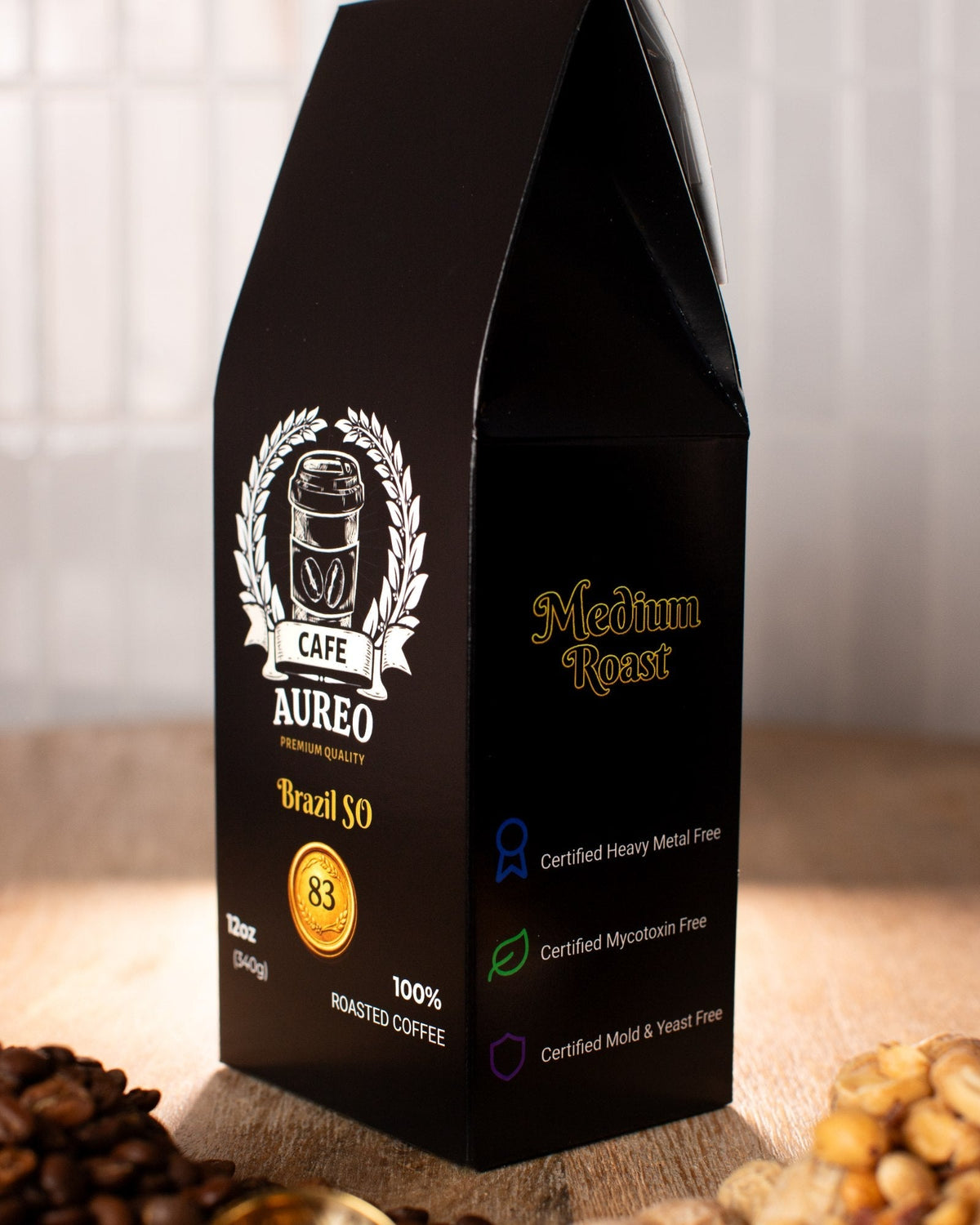
In the AUREO range, Smith River (praline, nutty sweetness, medium body) and Brazil SO (roasted peanut, honey, milk chocolate, mild acidity) are smooth, sweet starting points. Trapper Peak Decaf offers dark chocolate and low acidity without the caffeine.
What if your coffee tastes sour instead?
Sourness is usually the opposite problem: under-extraction. The grind may be too coarse, the brew too short or the water too cool. Try a finer grind first. If you enjoy brightness but not sharpness, a light-medium roast can be a good middle ground.
A quick fix checklist
- Taste it black: is it bitter, sour or just strong?
- Bitter? Grind coarser or shorten the brew.
- Sour? Grind finer or brew a little longer.
- Too strong or too weak? Adjust the ratio.
- Still not right? Try fresher coffee or a different roast level.
Still not sure what you'd enjoy? Start with how to choose coffee you'll actually like or let the AUREO Coffee Finder suggest one.