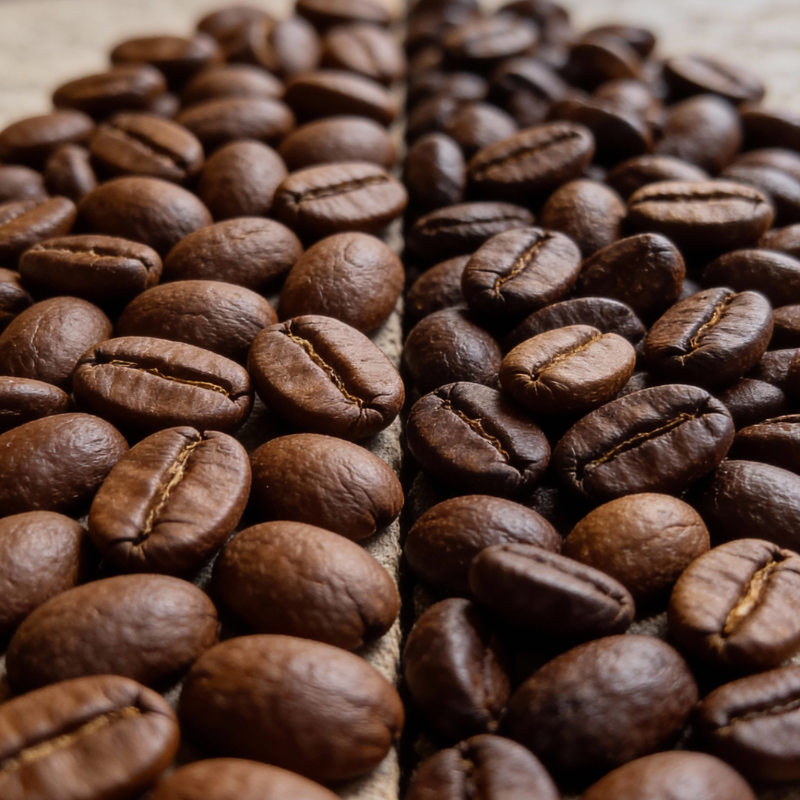
"Light," "medium" and "dark" are the most common words on a coffee bag, and the most useful. Roast level changes acidity, sweetness, body and bitterness more than any other single factor. Once you know what each level tends to taste like, choosing coffee gets much easier.
What roasting does to coffee
Green coffee beans are dense, grassy-smelling seeds. Roasting transforms them: heat drives off moisture, sugars caramelize and hundreds of aroma compounds form. Two audible milestones help roasters judge progress. First crack is a popping sound as moisture and gas escape, and it marks the start of the light-roast range. Second crack, a quieter crackle that comes later, signals the dark-roast range, when oils begin to reach the surface of the bean.
The longer and hotter a coffee is roasted, the more its original character gives way to flavors created by the roast itself.
Light roast
Light roasts are taken just past first crack. The beans are light brown and dry, with no oil on the surface.
- Acidity: higher and more noticeable, often described as bright or crisp.
- Flavor: fruit, citrus, floral and tea-like notes are easiest to taste here.
- Body: usually lighter and more delicate.
Light roasts show the most about where a coffee was grown and how it was processed. They shine in pour-over and other filter methods, and they are usually best enjoyed black.
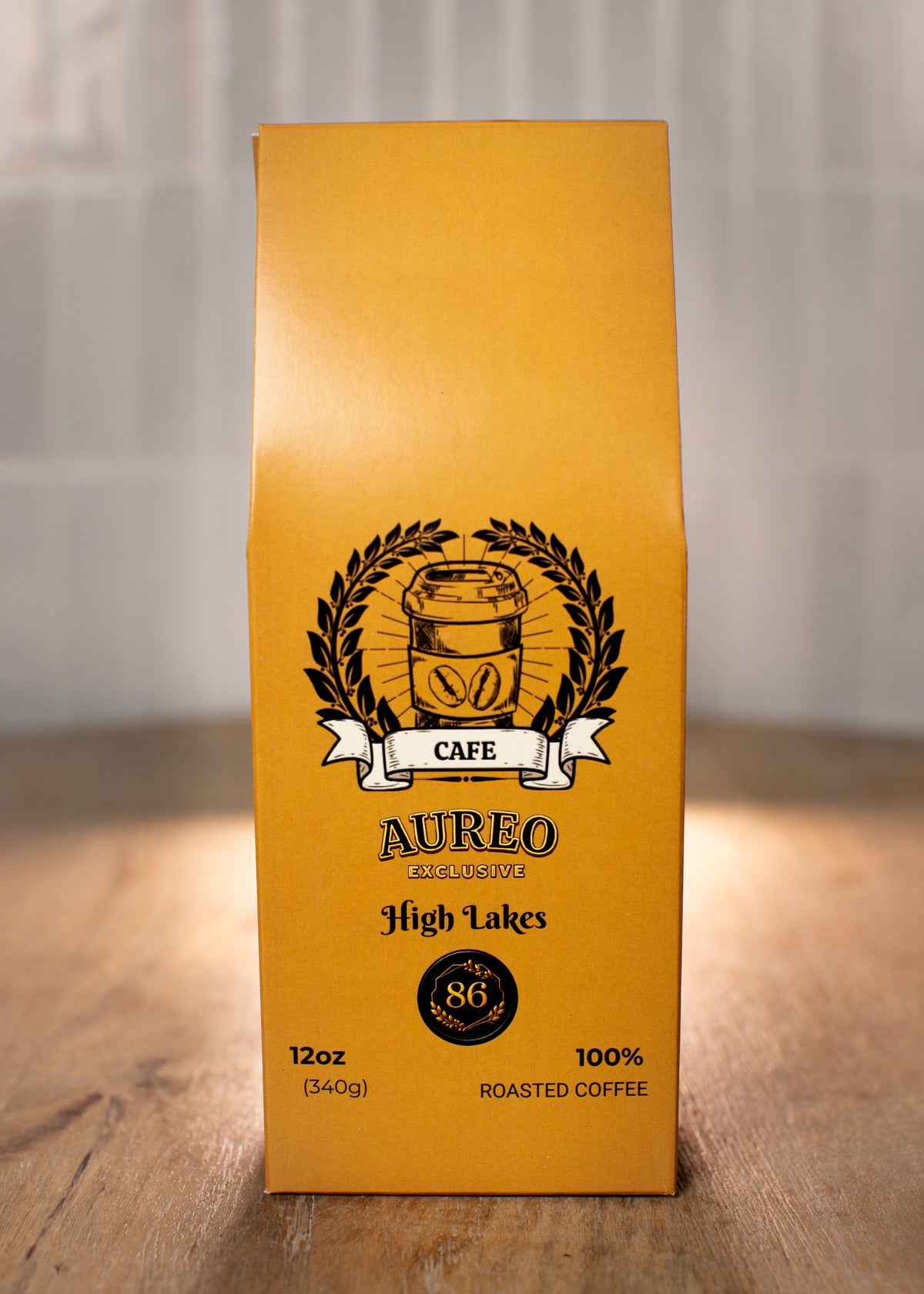
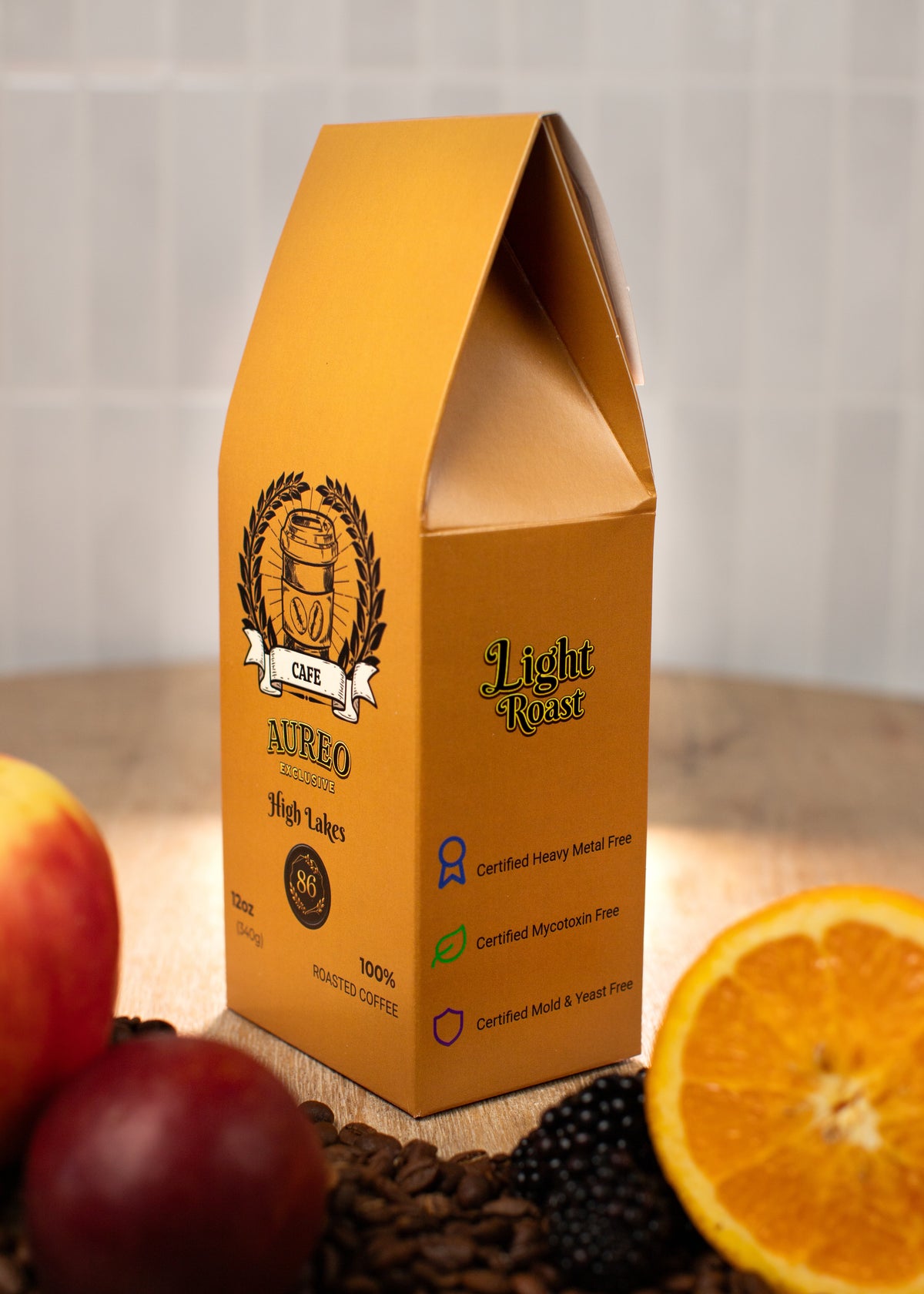
AUREO light roasts: High Lakes (fresh fruit, citrus, light body) and Ethiopia Sidama SO (berry, stone fruit, jasmine-like florals, wine-like depth).
Light-medium roast
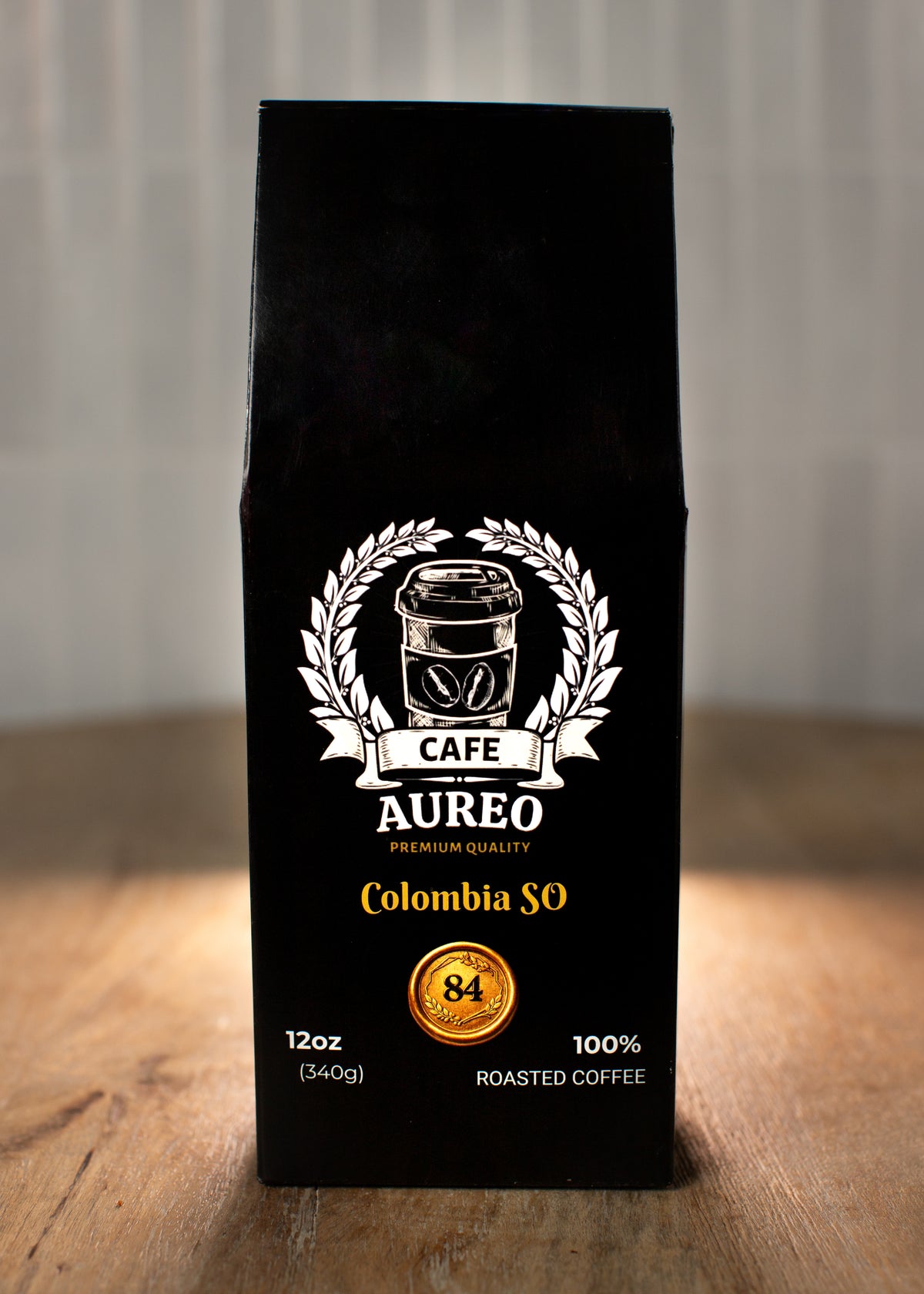
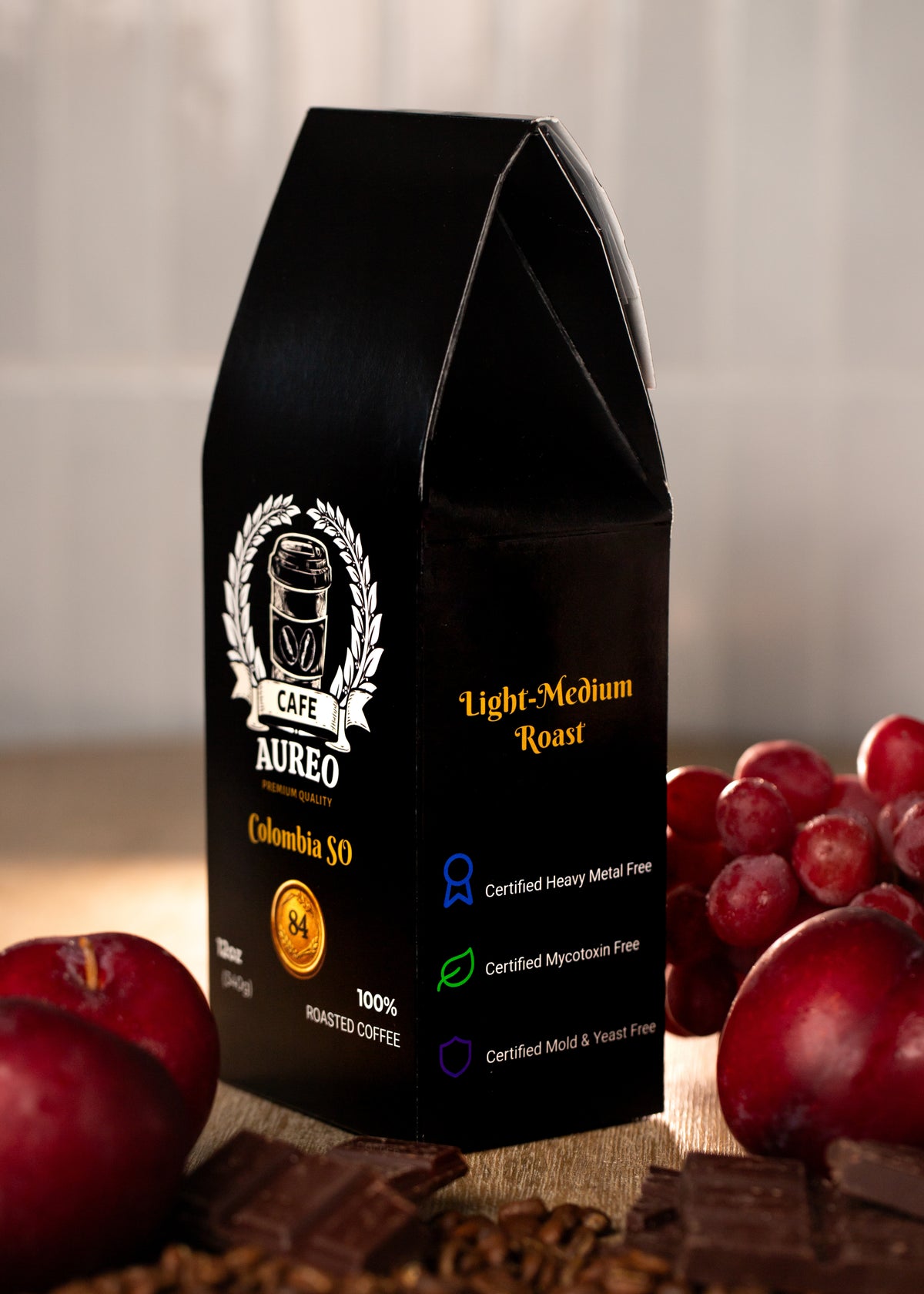
Some coffees sit between light and medium. They keep much of a light roast's fruit while adding a little more sweetness and body. If light roasts sometimes taste too sharp to you, this range is worth trying. Colombia SO, for example, combines cherry, grape and plum with chocolate, cane sugar and a round acidity.
Medium roast
Medium roasts continue past first crack but finish before second crack. The beans are a richer brown and still mostly dry.
- Acidity: softer and more balanced.
- Flavor: caramel, toffee, nuts and chocolate move forward, while some fruit remains.
- Body: rounder and fuller than a light roast.
Medium roasts are versatile. They work as drip coffee, pour-over or espresso, black or with milk.
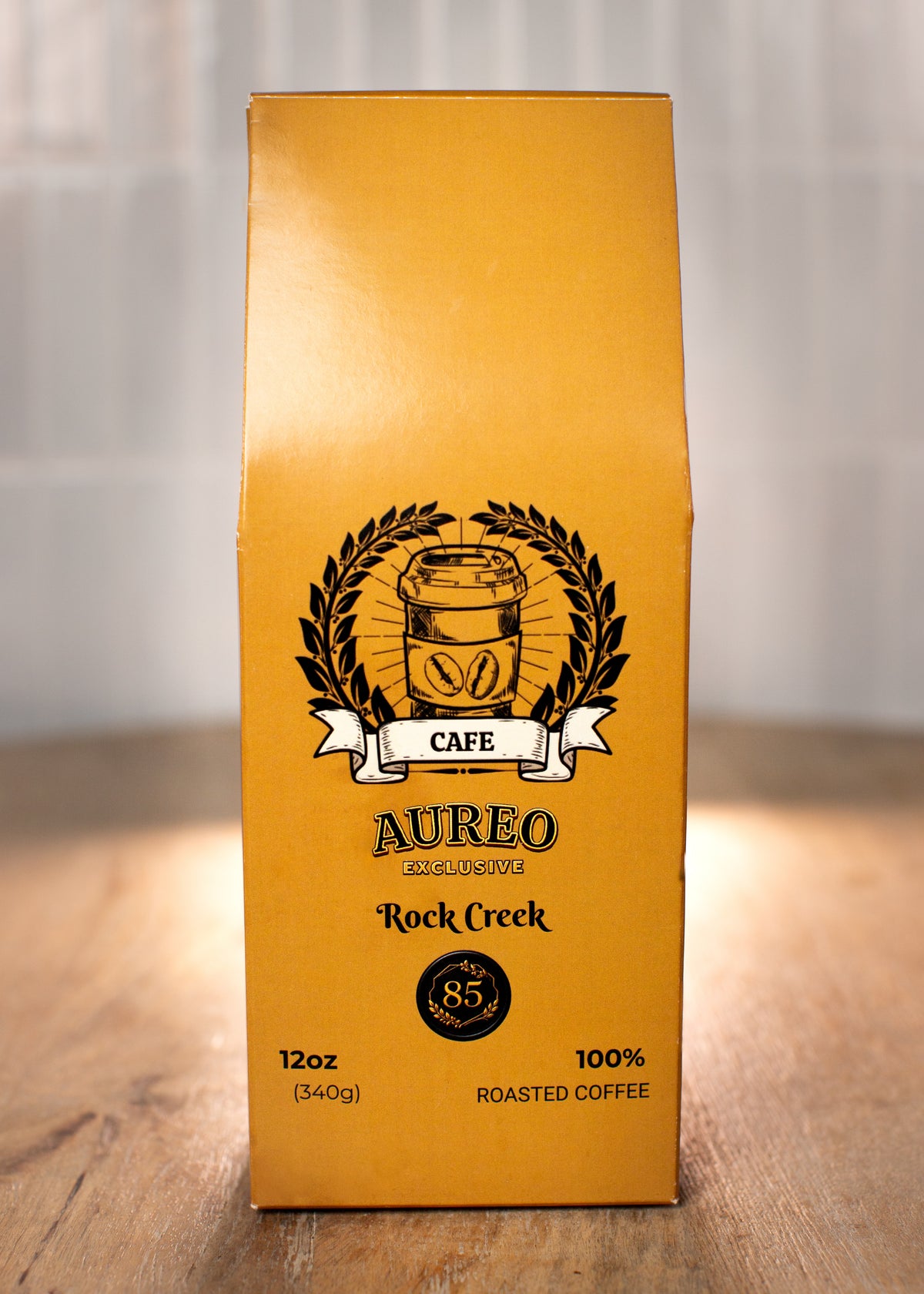
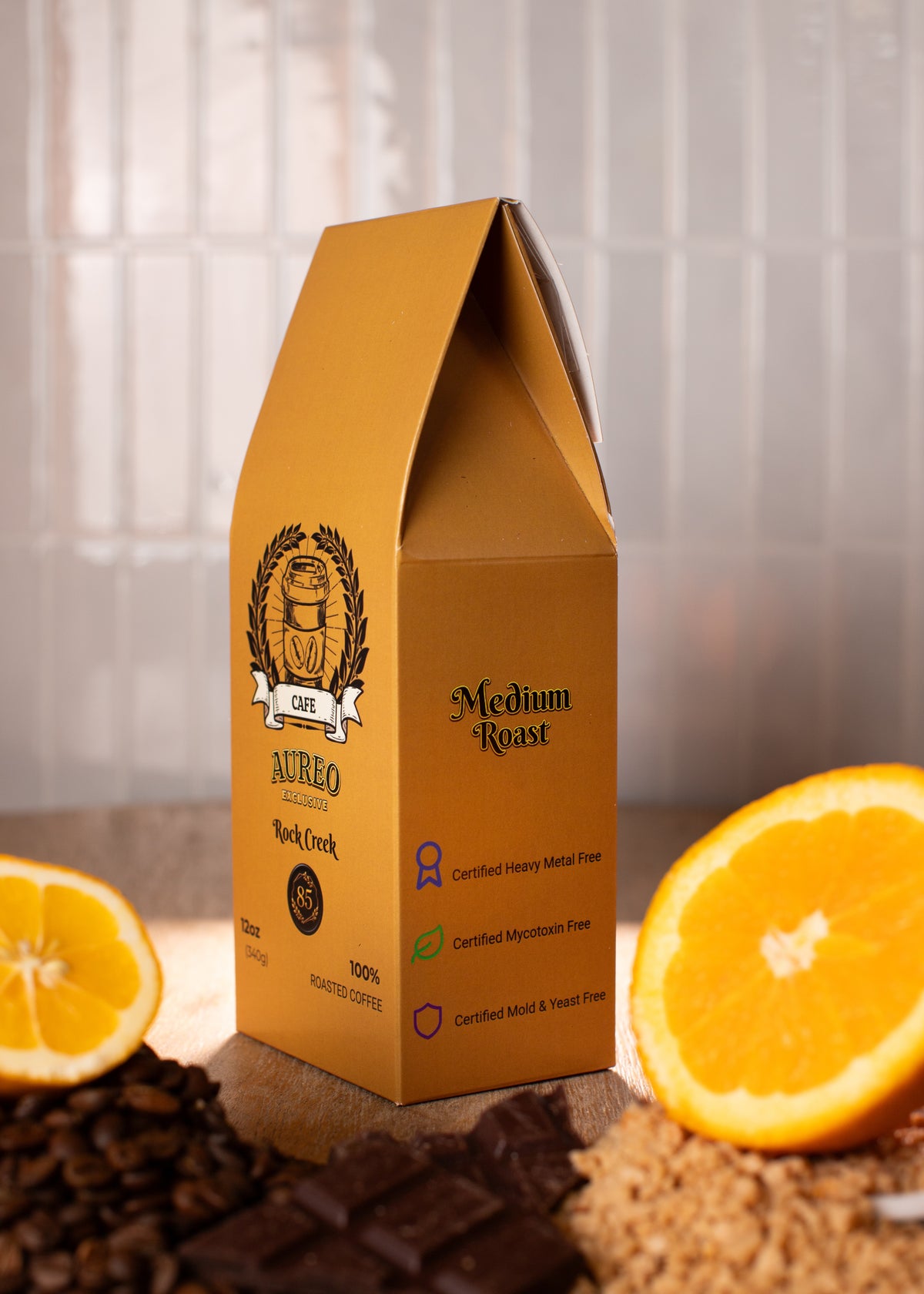
AUREO medium roasts: Rock Creek (toffee, dark chocolate, bright citrus) and Brazil SO (roasted peanut, honey, milk chocolate, heavy body).
Medium-dark roast
Medium-dark roasts approach or reach the start of second crack. Roasty, cocoa-like flavors become more prominent, acidity drops further and the body gets heavier. They are a natural fit for French press, espresso and milk drinks. Cascades (cocoa, toasted nut, full body) is a good example.
Dark roast
Dark roasts are taken into or beyond second crack. The beans are dark brown to nearly black, and you will often see an oily sheen.
- Acidity: low; fruit notes largely disappear.
- Flavor: bittersweet chocolate, caramelized sugar and toasty, roasty notes.
- Body: heavy and full.
Dark roasts cut through milk well, which makes them popular for lattes and cappuccinos.
What is French roast?
French roast is a name for a very dark roast, darker than a typical "dark." Expect pronounced bittersweet, toasty flavors, low acidity and a heavy body, with most of the coffee's origin character replaced by the roast. AUREO's Bitterroot is a Dark French roast with bittersweet chocolate, toasty notes and a full body. Flathead Valley is a dark roast with baker's chocolate, caramelized sugar and a deep body.
Does dark roast have more caffeine?
Not in any way you would notice. "Dark" describes flavor, not strength. The difference in caffeine between roast levels is small, and it depends on whether you measure your coffee by weight or by scoop. We explain the details in does dark roast have more caffeine?
Roast levels at a glance
| Roast | Acidity | Typical flavors | Body | Good starting brew methods |
|---|---|---|---|---|
| Light | Bright | Fruit, citrus, floral, tea-like | Light | Pour-over, drip |
| Light-medium | Bright to balanced | Fruit with added sweetness | Light to medium | Pour-over, drip |
| Medium | Balanced | Caramel, toffee, nuts, chocolate | Medium | Drip, pour-over, espresso |
| Medium-dark | Low | Cocoa, toasted nut, roasty sweetness | Full | French press, espresso |
| Dark / French | Very low | Bittersweet chocolate, toasty, smoky | Heavy | French press, espresso, milk drinks |
Which roast should you choose?
Start from taste, not from the label. If you like fruit and brightness, begin with light or light-medium. If you want an easy, balanced daily cup, medium is the safest choice. If you love chocolate and a heavy body, or you always add milk, try medium-dark or dark. Brewing matters too: getting your grind size right can make a roast you thought you disliked taste much better.
Not sure where you land? Let the AUREO Coffee Finder suggest a match, or compare every AUREO roast in one place. Our guide to choosing coffee you'll actually like walks through the decision step by step.