Coffee doesn't go bad the way milk does, but it does go stale. Its aroma, sweetness and complexity fade over time, and how you store it makes a real difference to how long it tastes its best. Here's what affects freshness, how long coffee lasts, and the simplest way to store it.
What makes coffee go stale
Roasted coffee is full of aromatic compounds and carbon dioxide. Over time, four things wear its flavor down:
- Air (oxygen): the main cause of staleness. It dulls aroma and can introduce flat, papery flavors.
- Moisture: humidity speeds up deterioration and can be absorbed by the beans.
- Heat: warmth accelerates the loss of aroma.
- Light: direct sunlight degrades coffee faster.
Good storage limits all four.
How long does coffee stay fresh?
There's no single expiration point, but these are widely used guidelines:
| Form | At its best | Still fine to drink |
|---|---|---|
| Whole bean, sealed bag | Within the first several weeks after roasting | Several months, with gradually fading flavor |
| Whole bean, opened | About 2–4 weeks after opening | Longer, but noticeably flatter |
| Ground, opened | Within about 1–2 weeks | Longer, but aroma fades quickly |
| Brewed coffee | Within about 30 minutes | A few hours at room temperature (refrigerate for longer) |
Stale coffee isn't unsafe; it simply tastes flatter. The exception is coffee that has been exposed to moisture and shows mold or an off smell. Throw that away.
Why ground coffee fades faster
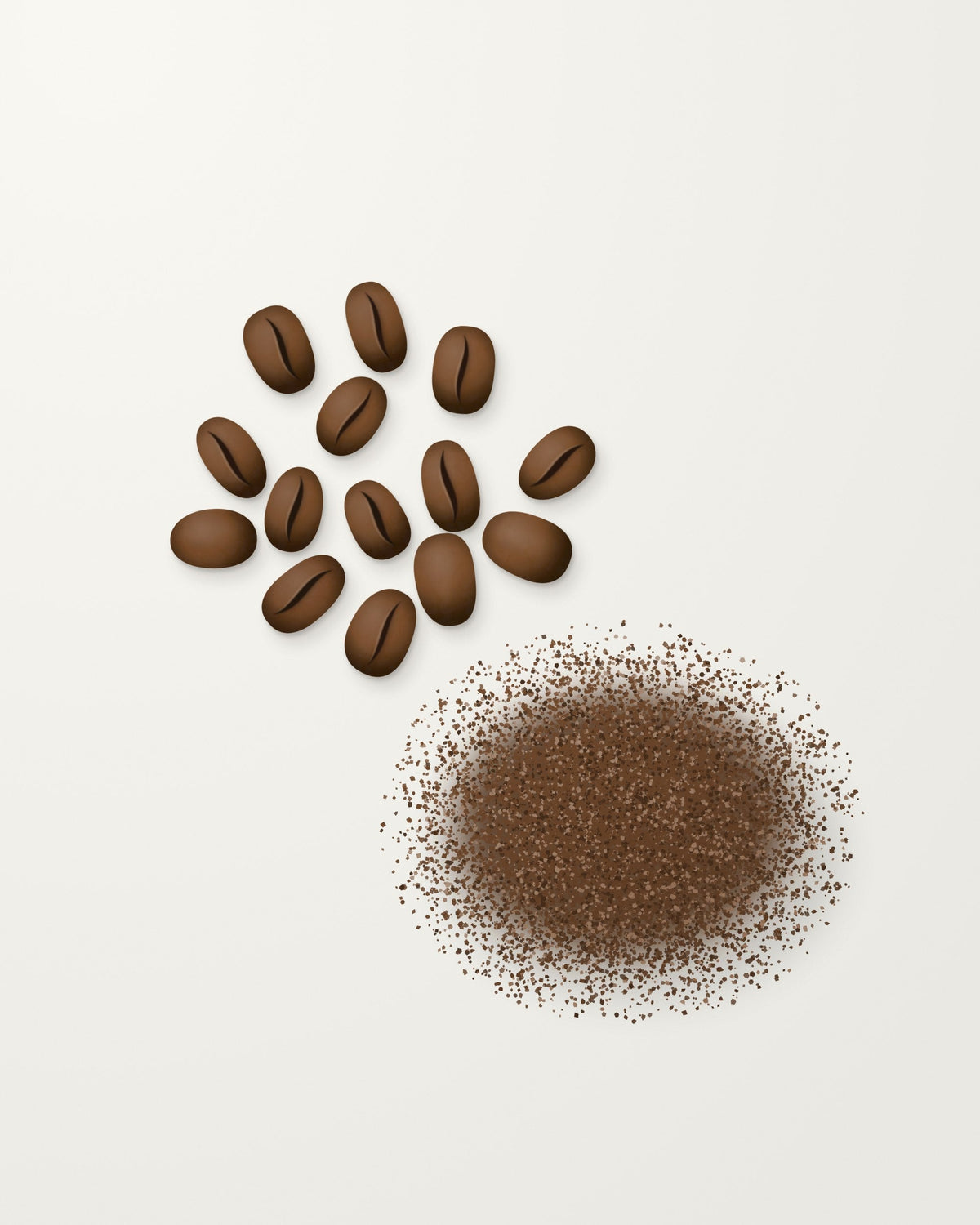
Grinding multiplies the surface area exposed to air, so ground coffee loses aroma much faster than whole beans. If freshness matters to you, buying whole bean and grinding just before brewing is the biggest single improvement. See whole bean vs. ground coffee.
How to store coffee day to day
- Keep it sealed. Press out excess air and close the bag tightly after each use, or move the beans to an airtight container.
- Keep it dark. Use an opaque container, or keep a clear one in a cupboard.
- Keep it cool and dry, at room temperature, away from the stove, oven, dishwasher, windows and the top of the refrigerator.
- Buy what you'll use within a few weeks of opening, rather than stocking up.
Many specialty coffee bags have a one-way valve, a small round vent that lets carbon dioxide out without letting air in. Leave it uncovered.
Should you refrigerate coffee?
Generally, no. Refrigerators are humid and full of food odors, which coffee absorbs easily. Every time you take cold coffee out, moisture can condense on it. A cool, dark cupboard is better.
Should you freeze coffee?
Freezing can work well for coffee you won't open for a while, if you do it carefully:
- Freeze it sealed and airtight, ideally unopened or in small airtight portions.
- Portion it first, so you only remove what you'll use in a week or two.
- Let it come to room temperature before opening, so moisture doesn't condense on the beans.
- Don't refreeze coffee that has been thawed.
Don't freeze the bag you're using daily. Repeated temperature changes do more harm than good.
How to tell if your coffee is stale
- The aroma is faint when you open the bag or grind the beans.
- The cup tastes flat, dull, woody or papery, without the sweetness or brightness you remember.
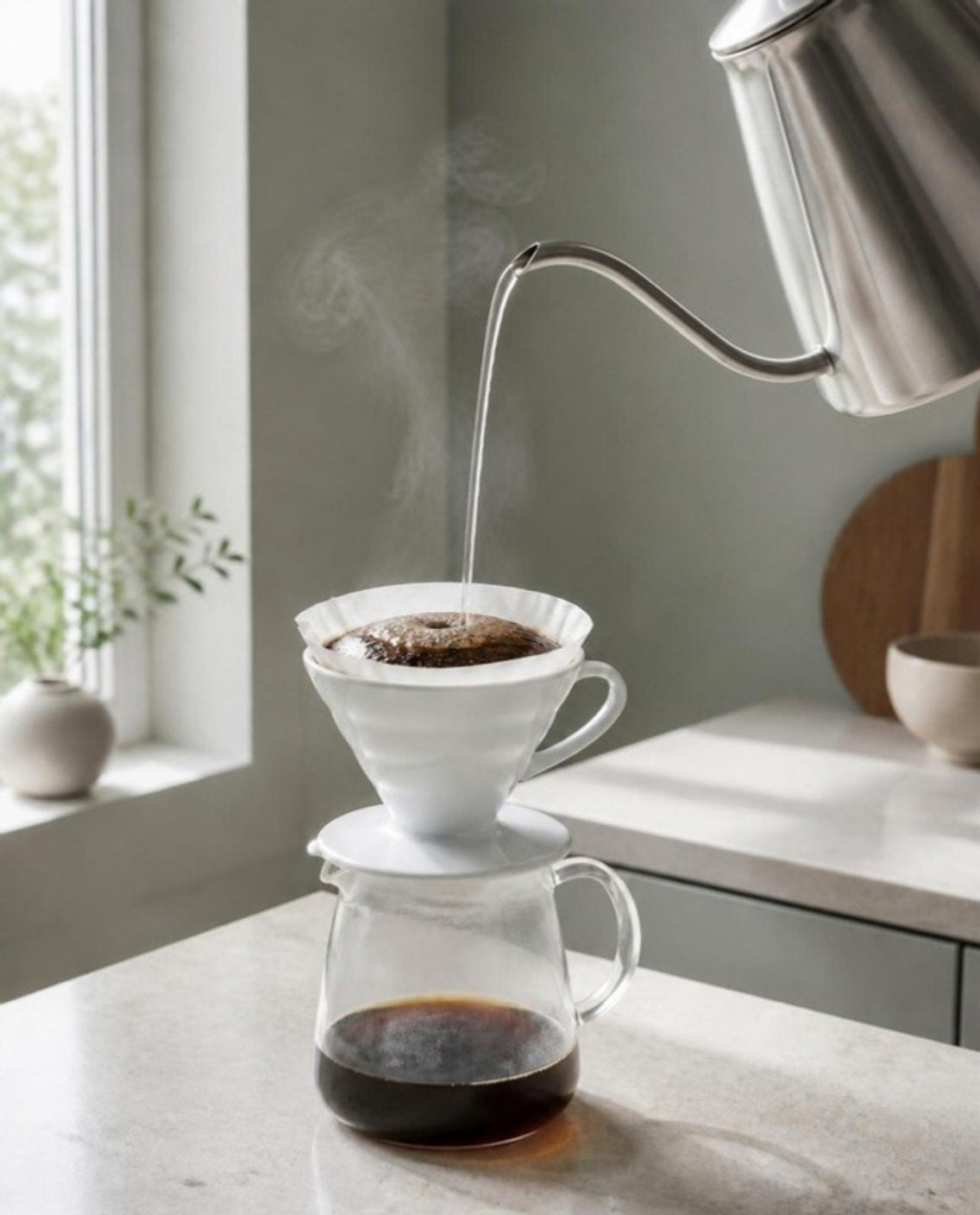
- Fresh coffee usually puffs up and bubbles when hot water first hits it (the "bloom"). Very little bloom can be a sign of older coffee, though dark roasts and decaf naturally bloom less.
Freshness starts with how much you buy
The simplest freshness strategy is buying a bag size you'll finish within a few weeks. A 12 oz (340 g) bag makes roughly 18 to 22 cups, about two to three weeks for one daily coffee drinker. If you're still deciding what to try next, start with how to choose coffee you'll actually like or browse AUREO coffees, available whole bean or ground.