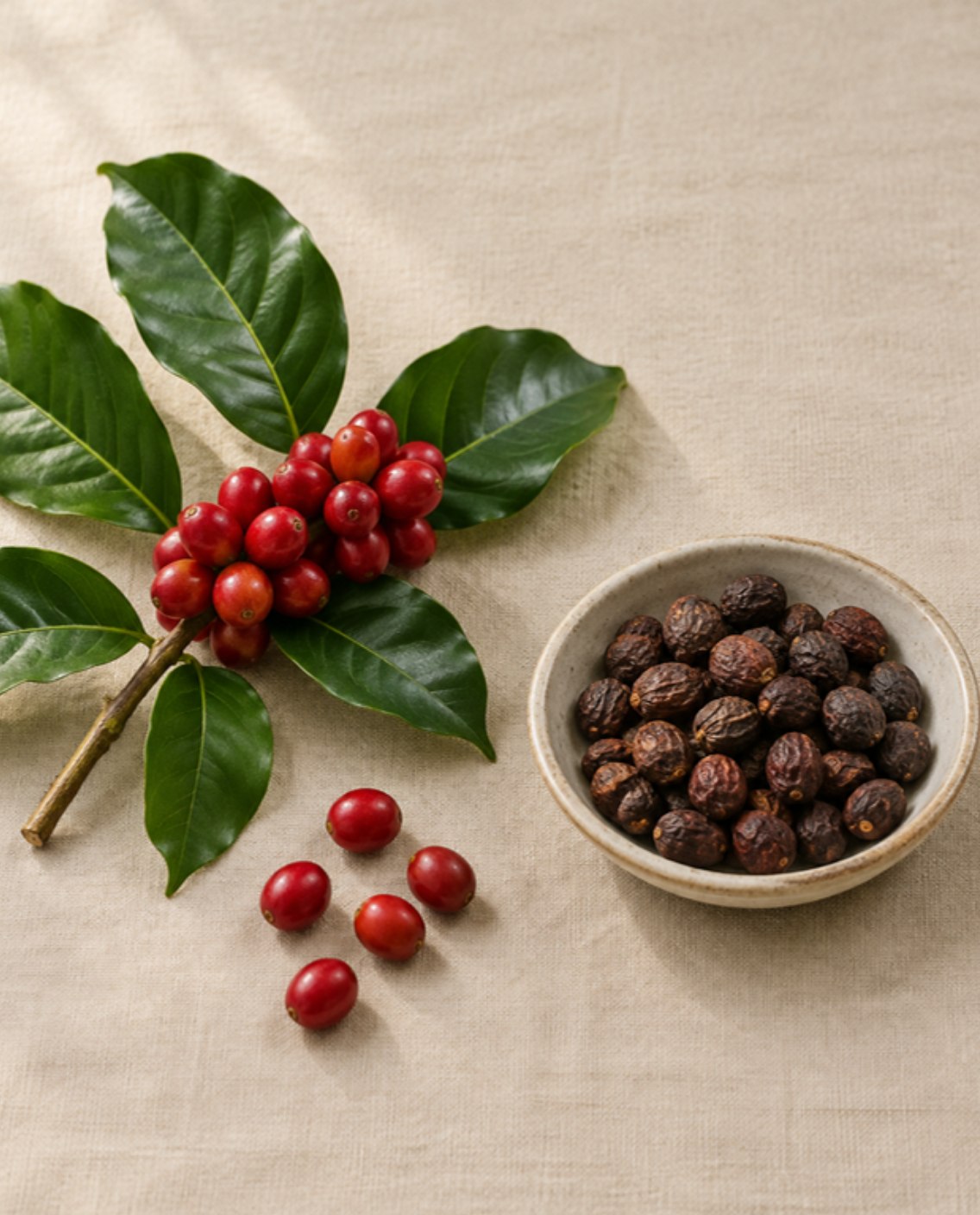
Coffee grows in a band around the equator, often called the coffee belt, and where it grows has a real effect on how it tastes. Climate, altitude, soil, plant varieties and local processing traditions all leave their mark. This guide explains why origin matters and what to expect from the growing regions represented in AUREO's coffees.
Why origin changes flavor
- Altitude: cooler temperatures at higher elevations slow the ripening of the coffee cherry. Higher-grown coffees are often denser, with more pronounced acidity and complexity.
- Climate and soil: rainfall, temperature and soil (volcanic soils are common in many coffee regions) all influence how the plant grows.
- Plant variety: different coffee varieties have different flavor tendencies, much like grape varieties in wine.
- Processing tradition: each region tends to favor certain processing methods, which strongly shape flavor. See washed vs. natural coffee.
These are tendencies, not rules. Two coffees from the same country can taste very different, which is part of what makes origin interesting.
East Africa
Ethiopia
Ethiopia is widely considered the birthplace of Arabica coffee, and it has an extraordinary diversity of native coffee plants, usually called "Ethiopian heirloom" varieties. Ethiopian coffees are known for floral aromatics, berry and citrus fruit, and tea-like elegance. Naturally processed Ethiopian coffees often taste especially fruity and wine-like; washed ones tend to be cleaner and more floral.
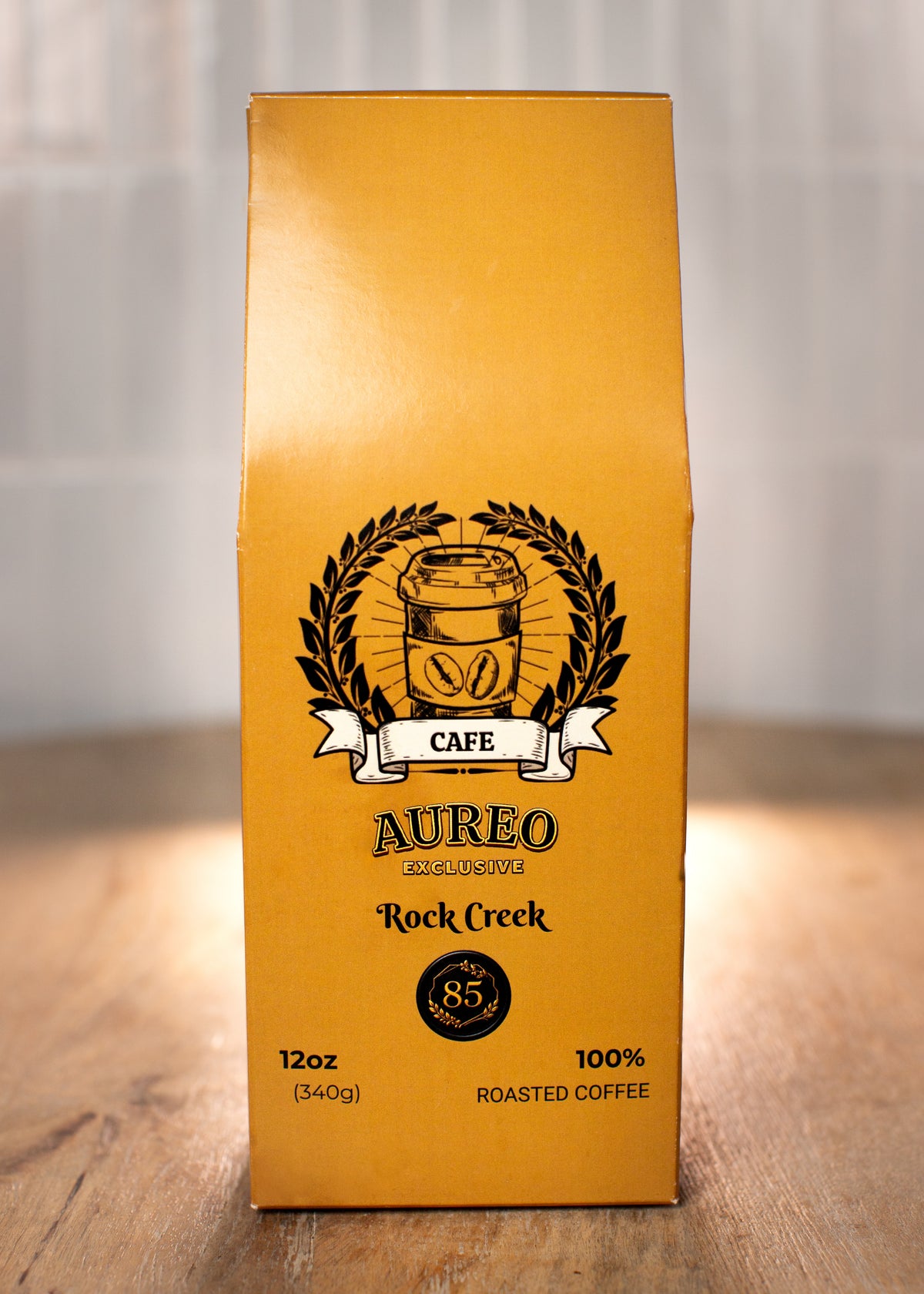
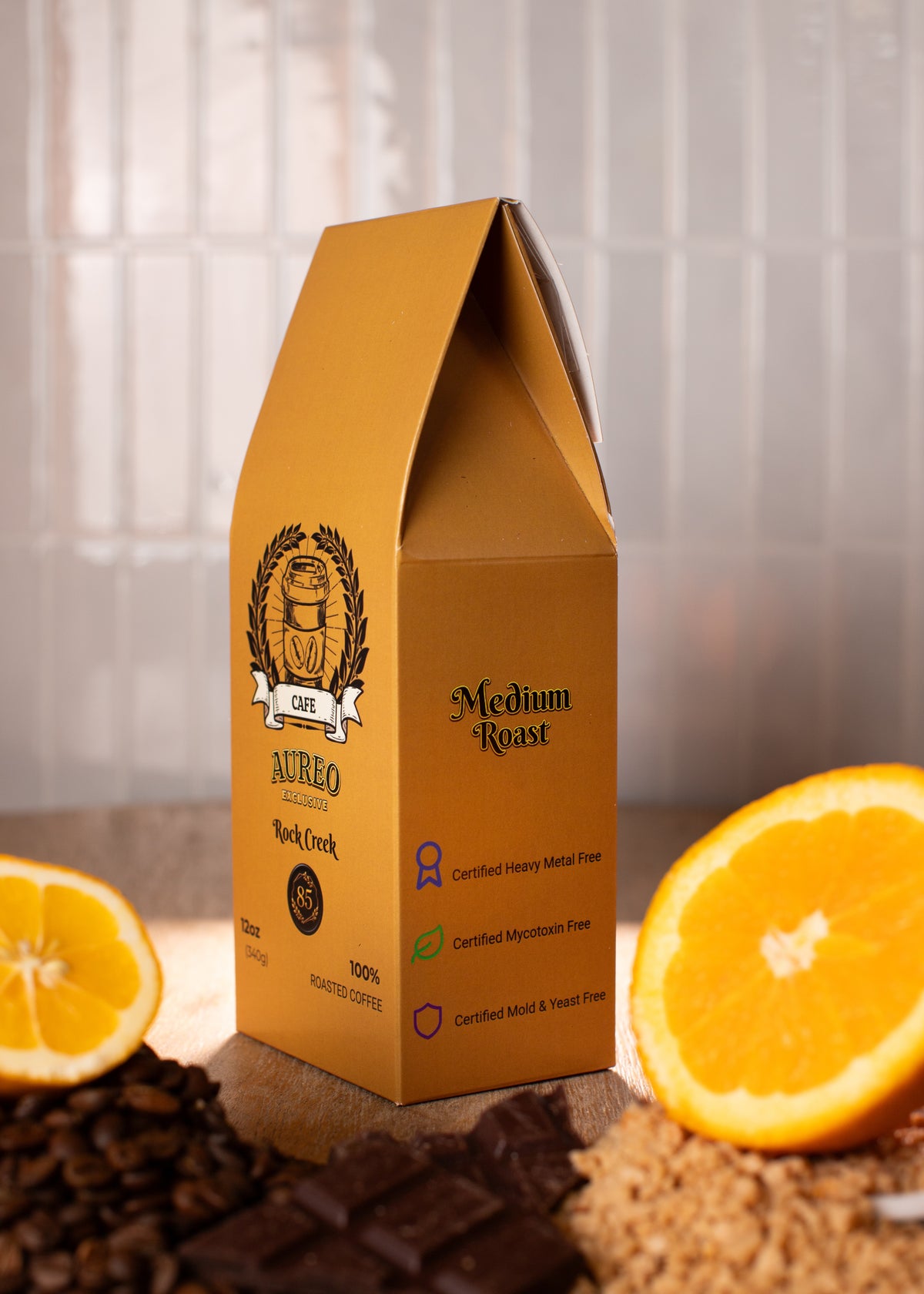
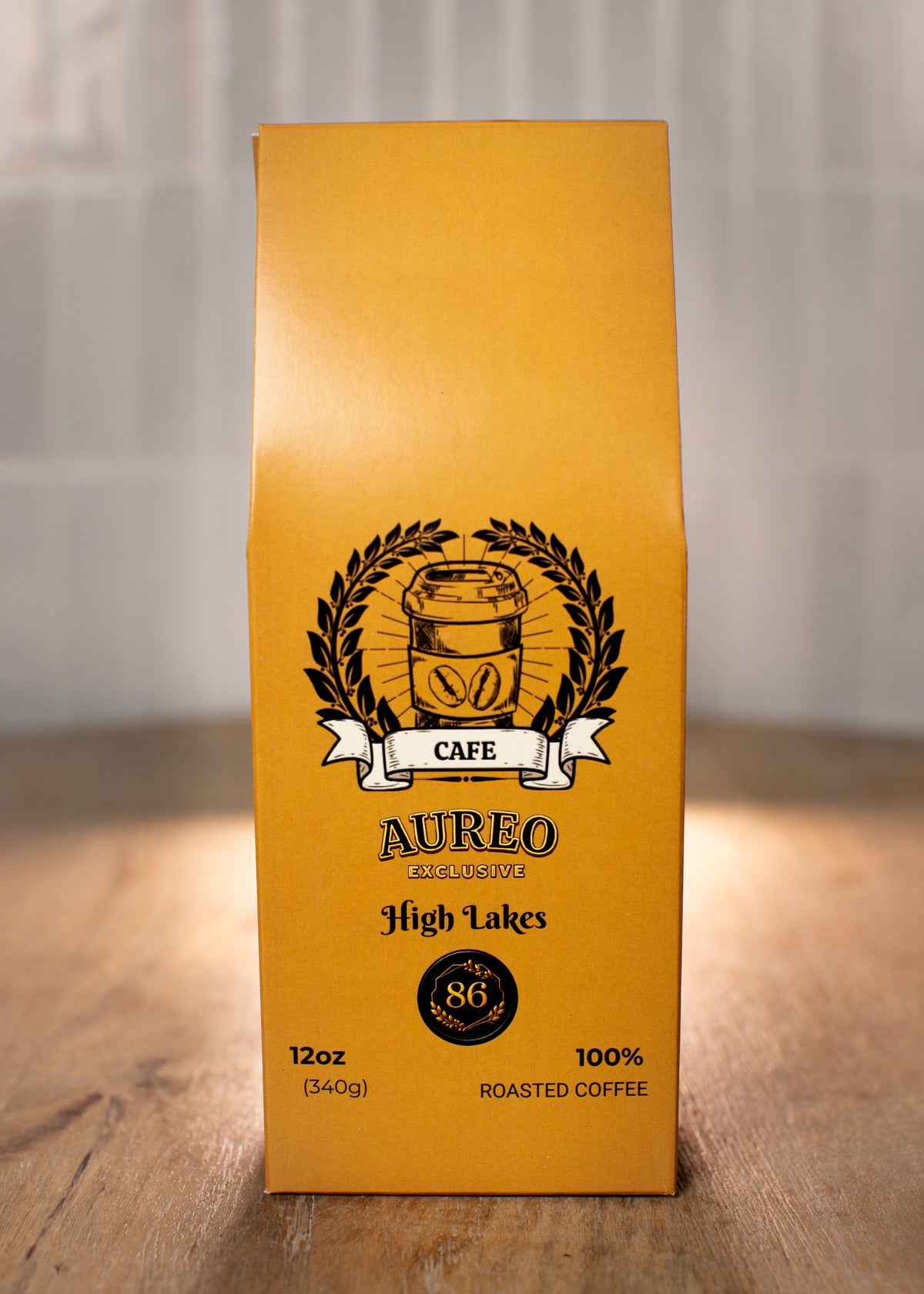
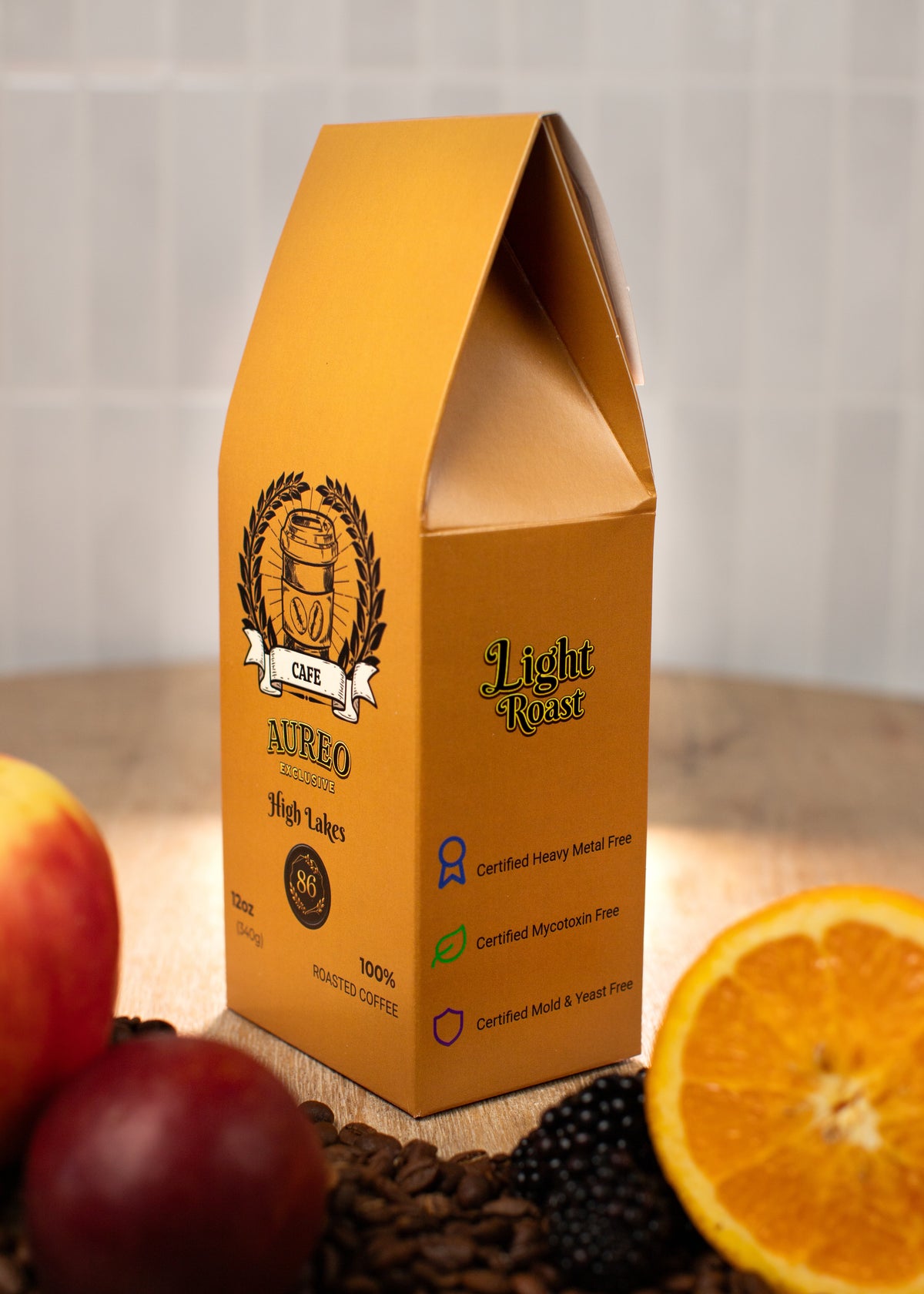
In AUREO's range: Ethiopia Sidama SO is a natural-process coffee from Sidama, grown at 1,800–2,200 MASL (about 5,900–7,200 ft), with berry, stone fruit, jasmine-like florals and wine-like depth. Ethiopian coffee from Guji also appears in the High Lakes, Sparks Lake and Rock Creek blends.
South America
Colombia
Colombia's mountainous growing regions produce coffee across a wide range of altitudes. Colombian coffees are typically washed, with balanced acidity, fruit and caramel or chocolate sweetness.
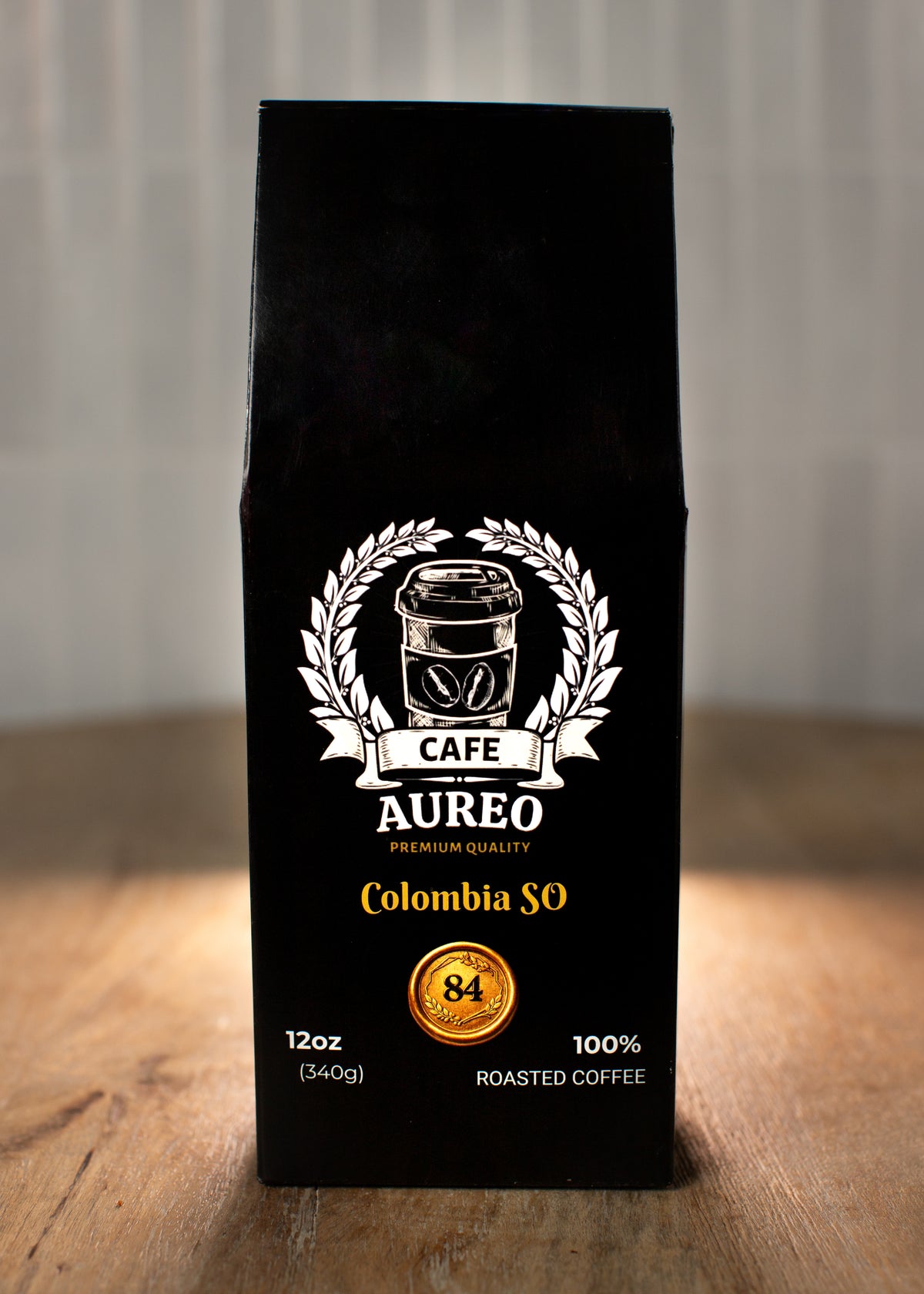
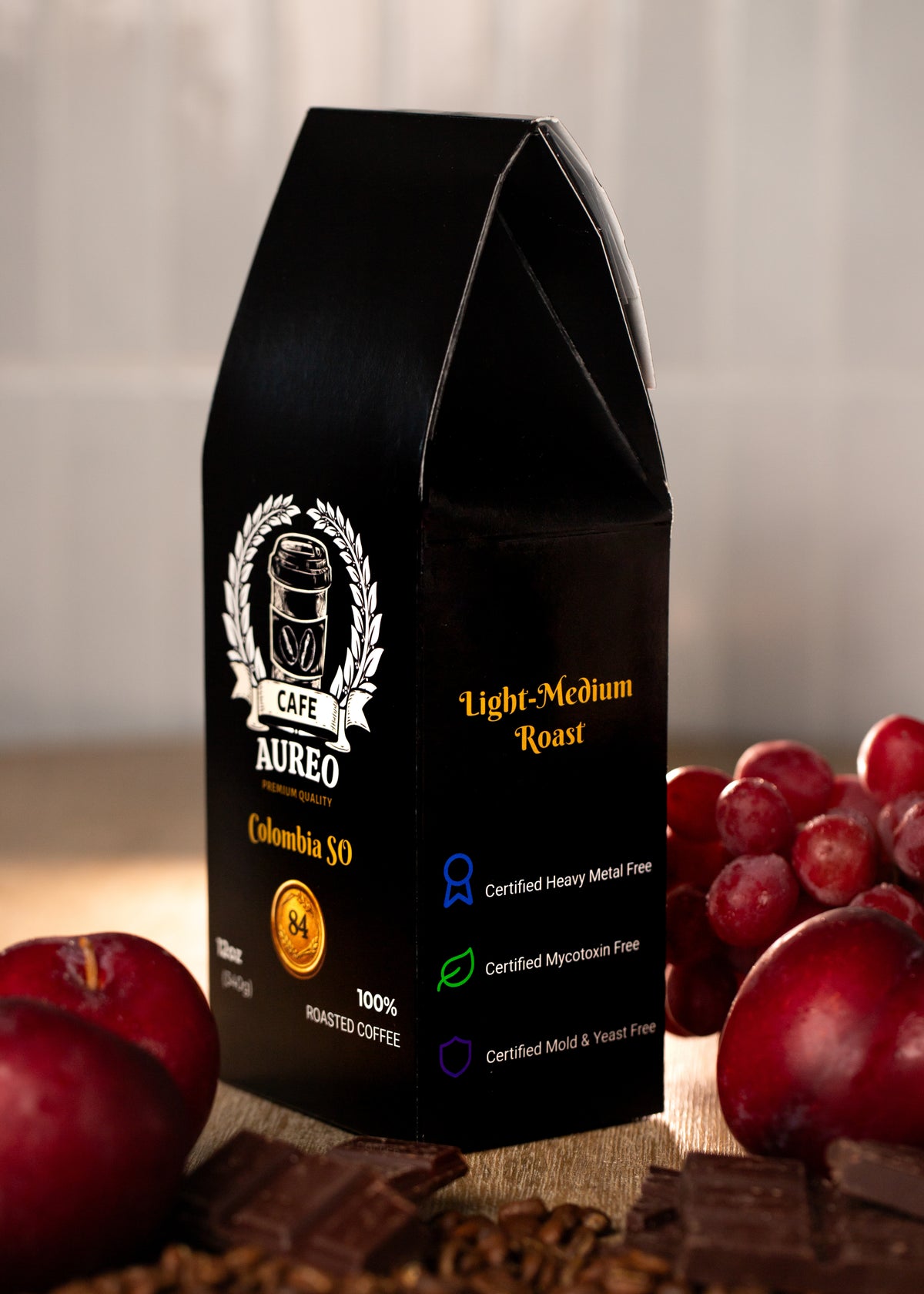
In AUREO's range: Colombia SO is a washed coffee from Huila and Cauca, grown at 1,200–1,800 MASL, with cherry, grape, plum, chocolate, cane sugar and a round acidity.
Brazil
Brazil is the world's largest coffee producer. Many Brazilian coffees are grown at lower altitudes than other origins and are often processed as naturals or pulped naturals. The result is typically nutty, chocolatey, sweet and full-bodied, with low acidity, which makes Brazil a common foundation for blends and espresso.
In AUREO's range: Brazil SO is a pulped-natural coffee from Cerrado, grown at 900–1,400 MASL, with roasted peanut, honey, milk chocolate and a heavy body. Brazilian coffee also forms the base of several AUREO blends and of Bitterroot.
Peru
Peru's coffee grows largely on the eastern slopes of the Andes. Peruvian coffees are often washed, clean and sweet, with gentle fruit.
In AUREO's range: Peru SO is a washed coffee from Amazonas, grown at 1,500–1,550 MASL, with apple, plum, pineapple and a chocolate aroma.
Central America and Mexico
Guatemala
Guatemala's high, often volcanic growing regions produce coffees known for chocolate sweetness balanced by bright acidity. Huehuetenango and Antigua are two of its best-known regions.
In AUREO's range: Guatemala SO is a washed coffee from Huehuetenango and Antigua with chocolate, maple, plum, apple, black tea and vibrant acidity. Guatemalan coffee also appears in the Sparks Lake, Rock Creek, Smith River and Flathead Valley blends.
Mexico
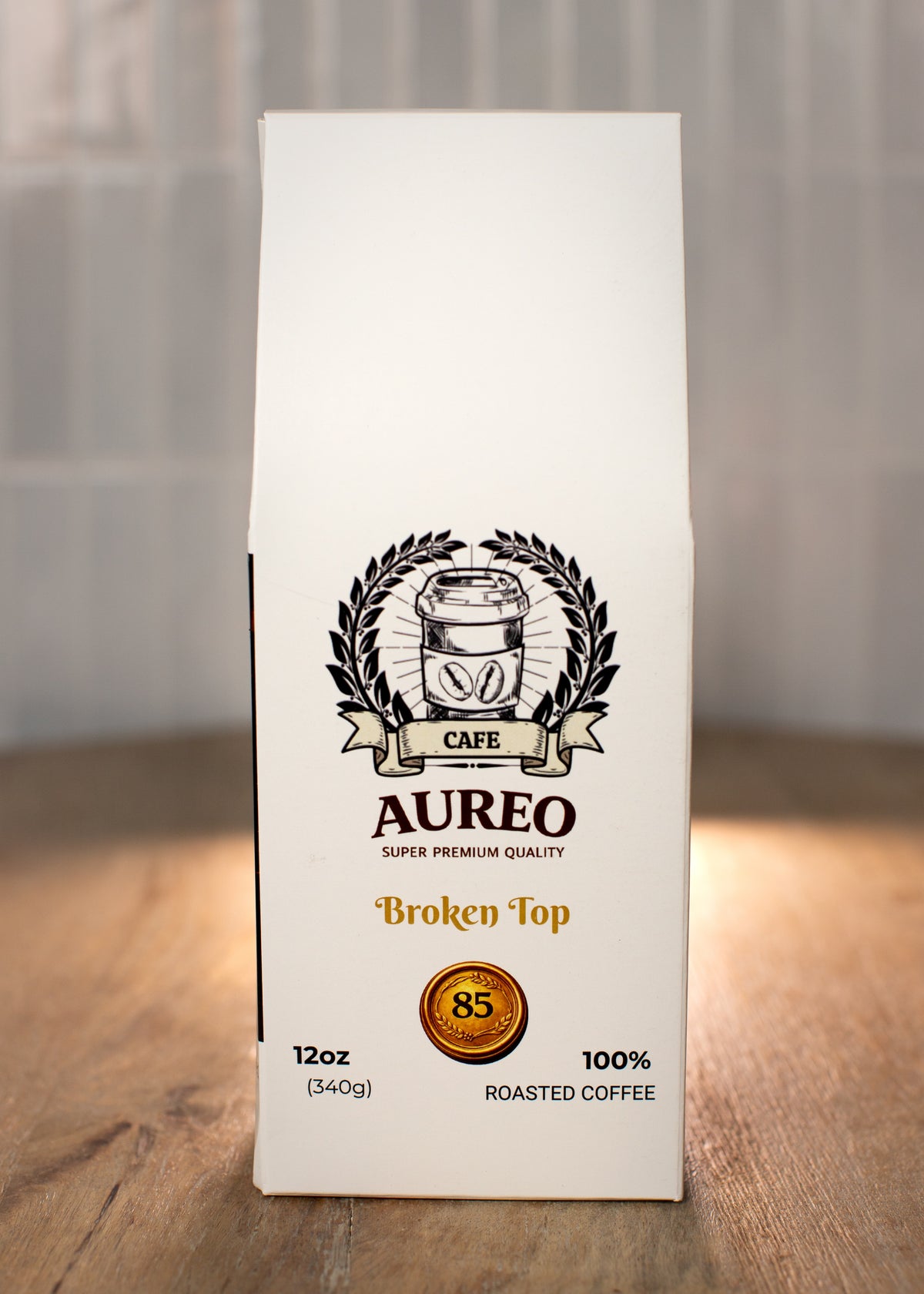
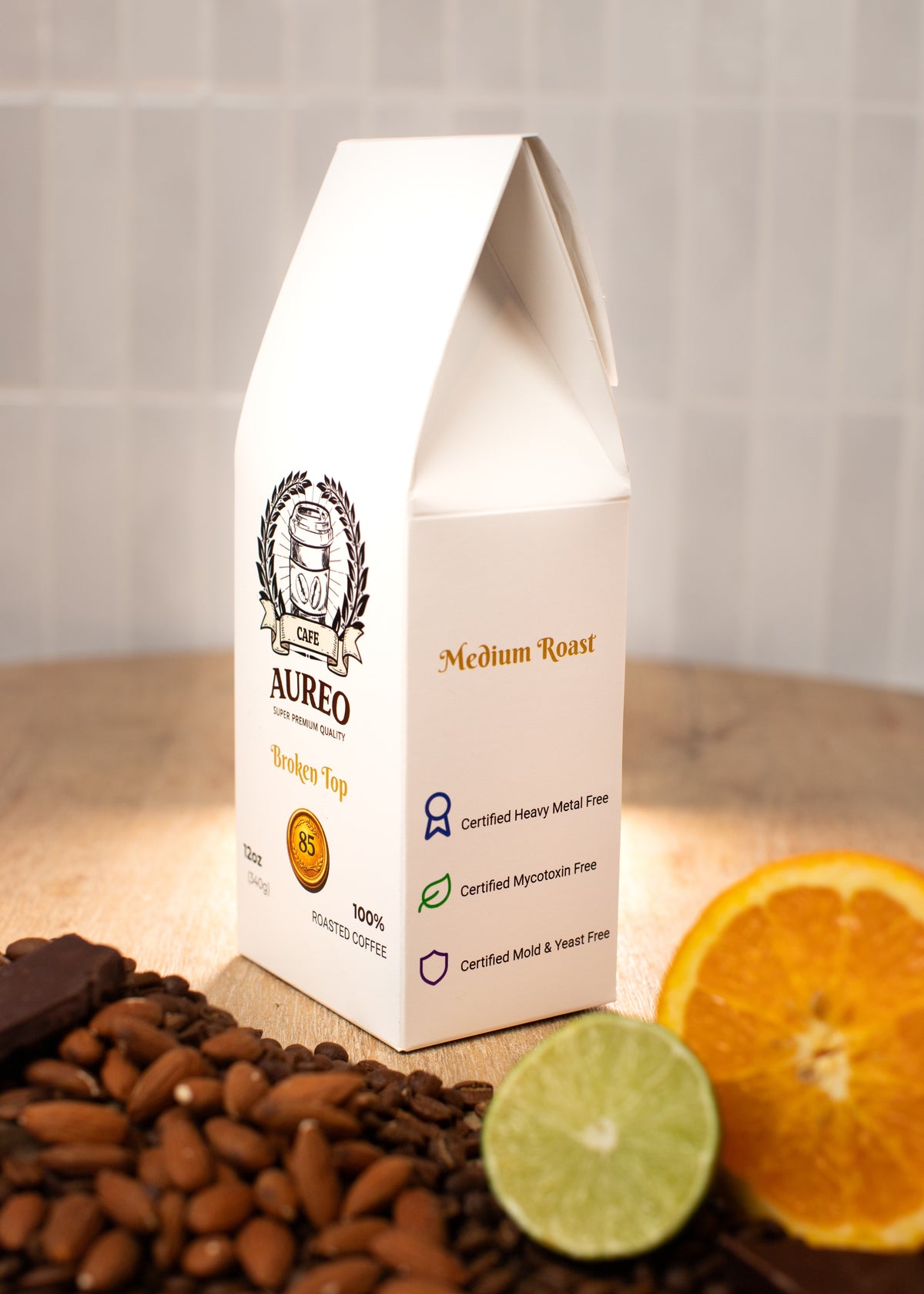
Mexican coffees, many from the southern state of Chiapas, are typically washed and tend toward a clean, balanced, approachable profile. In AUREO's range, Mexican coffee from Chiapas appears in the High Lakes, Broken Top, Cascades and Flathead Valley blends.
Asia-Pacific
Indonesia
Indonesian coffees often have a heavy body, low acidity and earthy, herbal or spicy notes, shaped in part by local semi-washed processing methods.
In AUREO's range: Trapper Peak Decaf is a semi-washed coffee from Sulawesi, decaffeinated with the Swiss Water Process, with earthy, herbal and dark chocolate notes.
Origins at a glance
| Origin | Common characteristics | Typical processing |
|---|---|---|
| Ethiopia | Floral, berry, citrus, tea-like | Natural and washed |
| Colombia | Balanced, fruity, caramel sweetness | Washed |
| Brazil | Nutty, chocolatey, low acidity, full body | Natural and pulped natural |
| Peru | Clean, sweet, gentle fruit | Washed |
| Guatemala | Chocolate with bright acidity | Washed |
| Mexico | Clean, balanced, approachable | Washed |
| Indonesia | Earthy, herbal, heavy body, low acidity | Semi-washed |
Single origin or blend?
Exploring single origins side by side is one of the best ways to learn how much place matters. Blends combine origins to balance their strengths. Read single origin vs. coffee blends, learn how to read a coffee bag, or browse every AUREO coffee by origin and roast.