Before coffee is roasted, it has to be removed from the fruit it grows in. How that's done is called processing, and it's one of the biggest influences on flavor that most coffee drinkers have never heard of. Two coffees from the same region can taste completely different depending on whether they were washed or naturally processed.
A quick bit of background
Coffee beans are the seeds of the coffee cherry, a small red or yellow fruit. Inside the skin is a sweet, sticky layer of fruit called mucilage, and beneath that the seeds. Processing is the work of removing the fruit and drying the seeds until they're stable enough to store and ship. The choices made here change sweetness, acidity, body and fruitiness.
Washed process
In washed processing, the skin and fruit are removed soon after harvest. The seeds typically ferment in water to loosen the remaining mucilage, are washed clean and then dried.
- Flavor: clean, clear and bright, with well-defined acidity.
- Body: usually lighter.
- What it highlights: the coffee's origin and variety, with little influence from the fruit.
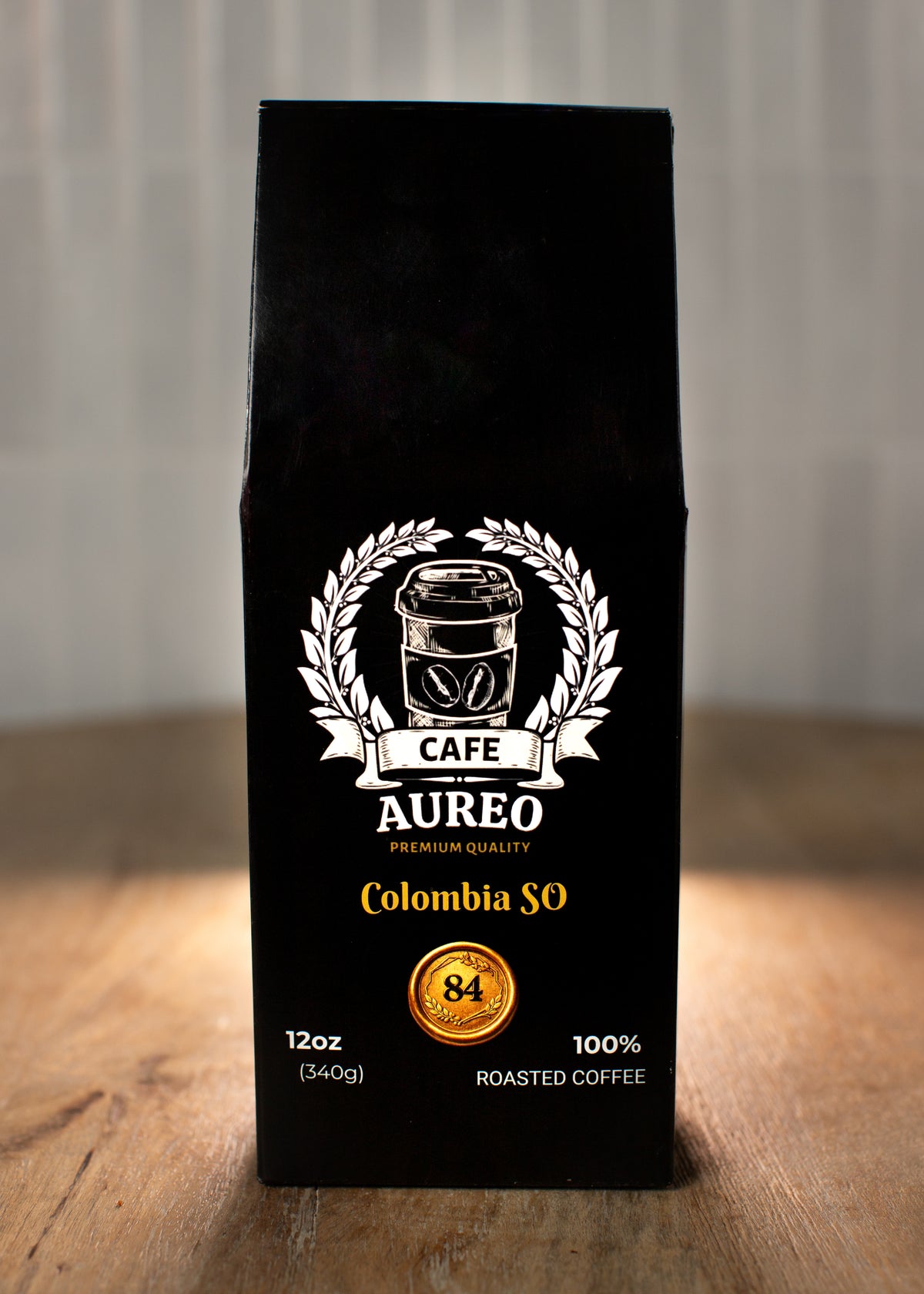
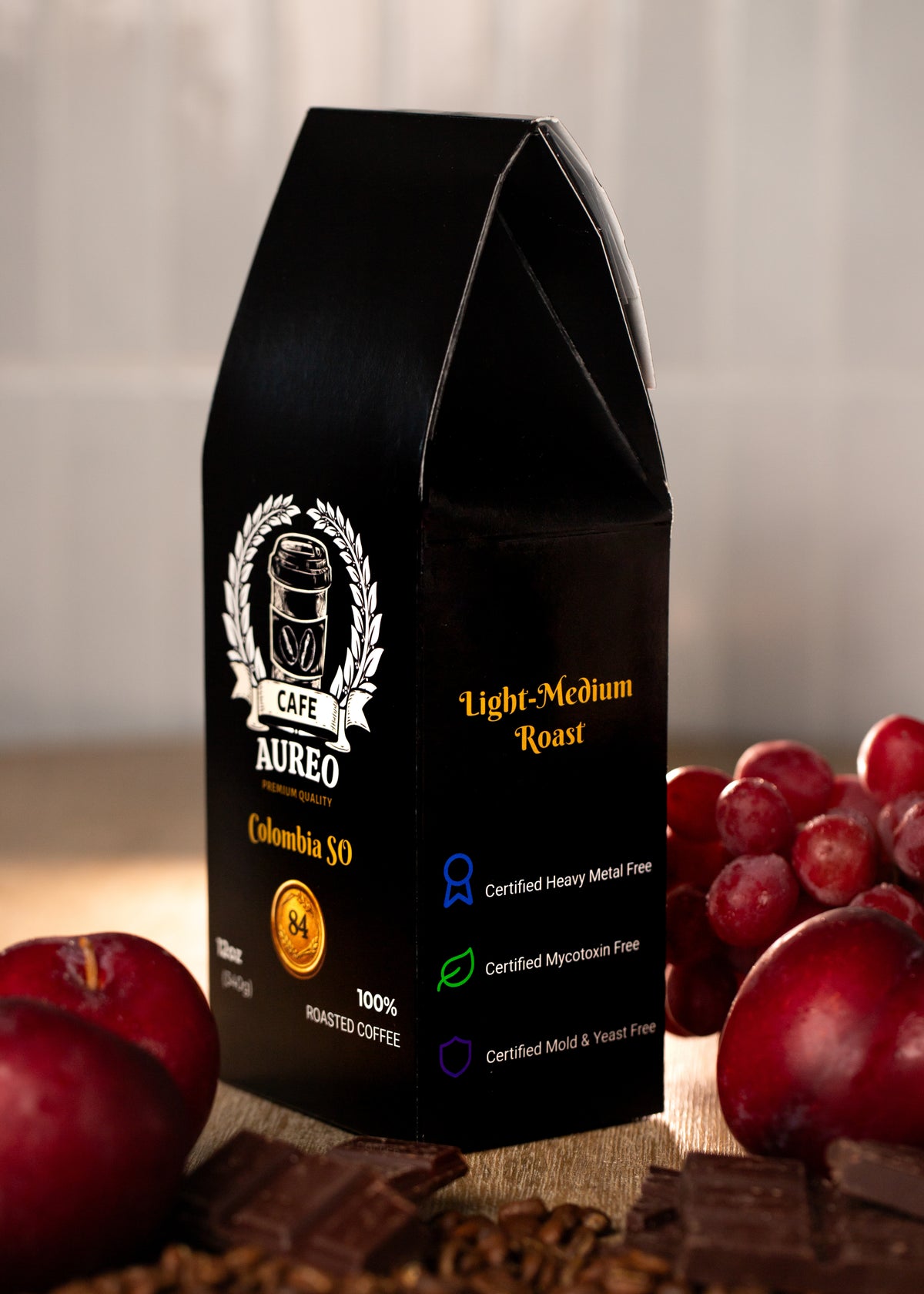
Washed AUREO coffees: Peru SO (a controlled 12–18 hour fermentation, then 10–15 days of drying) and Colombia SO. Guatemala SO is washed too.
Natural (dry) process
In natural processing, the whole coffee cherry is dried intact, often for weeks, before the dried fruit is removed. Because the seed dries inside the fruit, it takes on more of the fruit's character.
- Flavor: fruit-forward, often berry-like or jammy, sometimes wine-like.
- Body: often fuller and rounder.
- What it highlights: sweetness and fruit, sometimes at the expense of clarity.
Careful drying matters. Raised beds, for example, allow even airflow around the cherries. A natural AUREO coffee: Ethiopia Sidama SO is dried on raised beds; this lot for 16 days. Its berry, stone fruit and wine-like depth are classic natural-process traits.
Pulped natural process
Pulped natural sits between the two. The skin is removed, but much of the sticky mucilage stays on the seed while it dries. It's especially common in Brazil, and closely related to what Central American producers call "honey" processing.
- Flavor: sweet and rounded, with less fruit than a natural.
- Body: medium to full.
A pulped-natural AUREO coffee: Brazil SO (roasted peanut, honey, milk chocolate, heavy body). Pulped-natural Brazilian coffee also gives body to several AUREO blends.
Semi-washed process
"Semi-washed" describes methods that remove some but not all of the fruit before drying. In Indonesia, local semi-washed methods are associated with heavy body, low acidity and earthy, herbal notes. Trapper Peak Decaf, from Sulawesi, is semi-washed.
Comparison at a glance
| Process | Fruit removed | Typical flavor | Typical body |
|---|---|---|---|
| Washed | Before drying | Clean, bright, clear | Lighter |
| Pulped natural / honey | Skin before drying; mucilage after | Sweet, rounded | Medium to full |
| Natural (dry) | After drying | Fruity, jammy, sometimes wine-like | Full |
| Semi-washed (Indonesia) | Partly before drying | Earthy, herbal | Heavy |
Which process should you look for?
- Like clean, bright, tea-like coffee? Look for washed.
- Love fruit and big flavor? Try a natural.
- Prefer sweet, smooth and chocolatey? Pulped natural, especially from Brazil.
Processing is listed on every AUREO product page under "Altitude & Processing." Learn the rest of the label in how to read a coffee bag, or see how growing regions differ in our coffee origins guide.