Pour-over is one of the simplest ways to make an exceptional cup at home. You pour hot water by hand over ground coffee in a filter, and you control every variable. That control is what makes it so good at showing a coffee's clarity, sweetness and fruit. Here's a reliable method to start with, and how to adjust it.
What you'll need
- A pour-over dripper: a cone such as a Hario V60, a flat-bottom dripper such as a Kalita Wave, or a Chemex.
- A paper filter that fits your dripper.
- A gooseneck kettle (recommended): its thin spout makes a slow, controlled pour much easier.
- A kitchen scale that reads grams, and a timer.
- Freshly ground coffee: a burr grinder gives the most even grind.
The recipe
| Coffee | Water | Ratio | Grind | Water temperature | Total time |
|---|---|---|---|---|---|
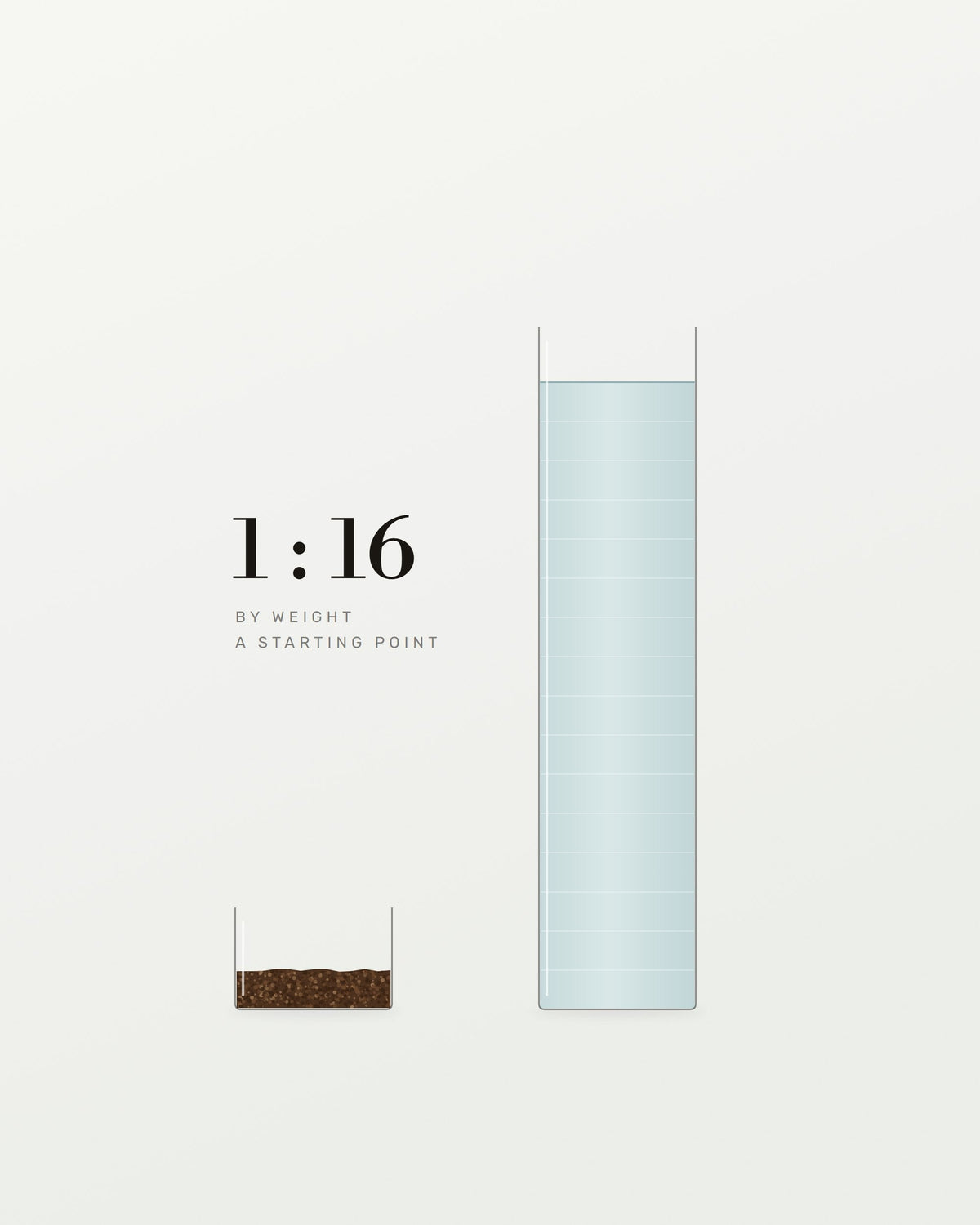
| 22 g | 350 g (about 12 fl oz) | 1:16 | Medium-fine, like fine sand | 195–205°F (90–96°C) | About 3 to 3½ minutes |
For a single smaller cup, use 15 g of coffee and 240 g of water. The steps stay the same. New to ratios? See our coffee-to-water ratio guide.
Step by step
- Heat the water. Bring it to a boil, then let it rest about 30 seconds so it lands around 200°F (93°C).
- Rinse the filter. Place the filter in the dripper over your mug or carafe and wet it thoroughly with hot water. This removes papery flavors and warms everything up. Discard the rinse water.
- Add the coffee. Add 22 g of medium-fine ground coffee, gently level the bed and place everything on the scale. Tare to zero.
- Bloom (0:00–0:45). Start the timer and pour about 50 g of water, just enough to wet all the grounds. Fresh coffee will puff up and bubble as it releases carbon dioxide. Wait 30 to 45 seconds.
- Main pour (0:45–1:45). Pour slowly in small circles, avoiding the very edge of the filter, until the scale reads 200 g. Pause briefly as the level drops, then continue to 350 g.
- Drawdown (until about 3:00–3:30). Let the water drain through completely. A gentle swirl of the dripper can help the bed settle flat.
- Serve. Remove the dripper, swirl the coffee and let it cool for a minute or two. Flavors open up as it cools slightly.
How to adjust your cup
Change one thing at a time, and usually start with grind size:
| If your coffee tastes… | It's probably… | Try this |
|---|---|---|
| Sour, sharp or thin; drained very quickly | Under-extracted | Grind finer, or use slightly hotter water |
| Bitter, harsh or drying; drained very slowly | Over-extracted | Grind coarser |
| Pleasant but weak | Too little coffee | Use a stronger ratio, such as 1:15 |
| Pleasant but too intense | Too much coffee | Use a lighter ratio, such as 1:17 |
Our grind size guide explains extraction in more detail.
Cone vs. flat-bottom vs. Chemex
- Cone drippers such as the V60 drain quickly and reward a steady pour. They tend to produce a bright, clean cup.
- Flat-bottom drippers are more forgiving and often taste a little sweeter and rounder.
- Chemex uses thicker filters that produce a very clean, light-bodied cup. Use a slightly coarser grind.
Which coffees work best for pour-over?
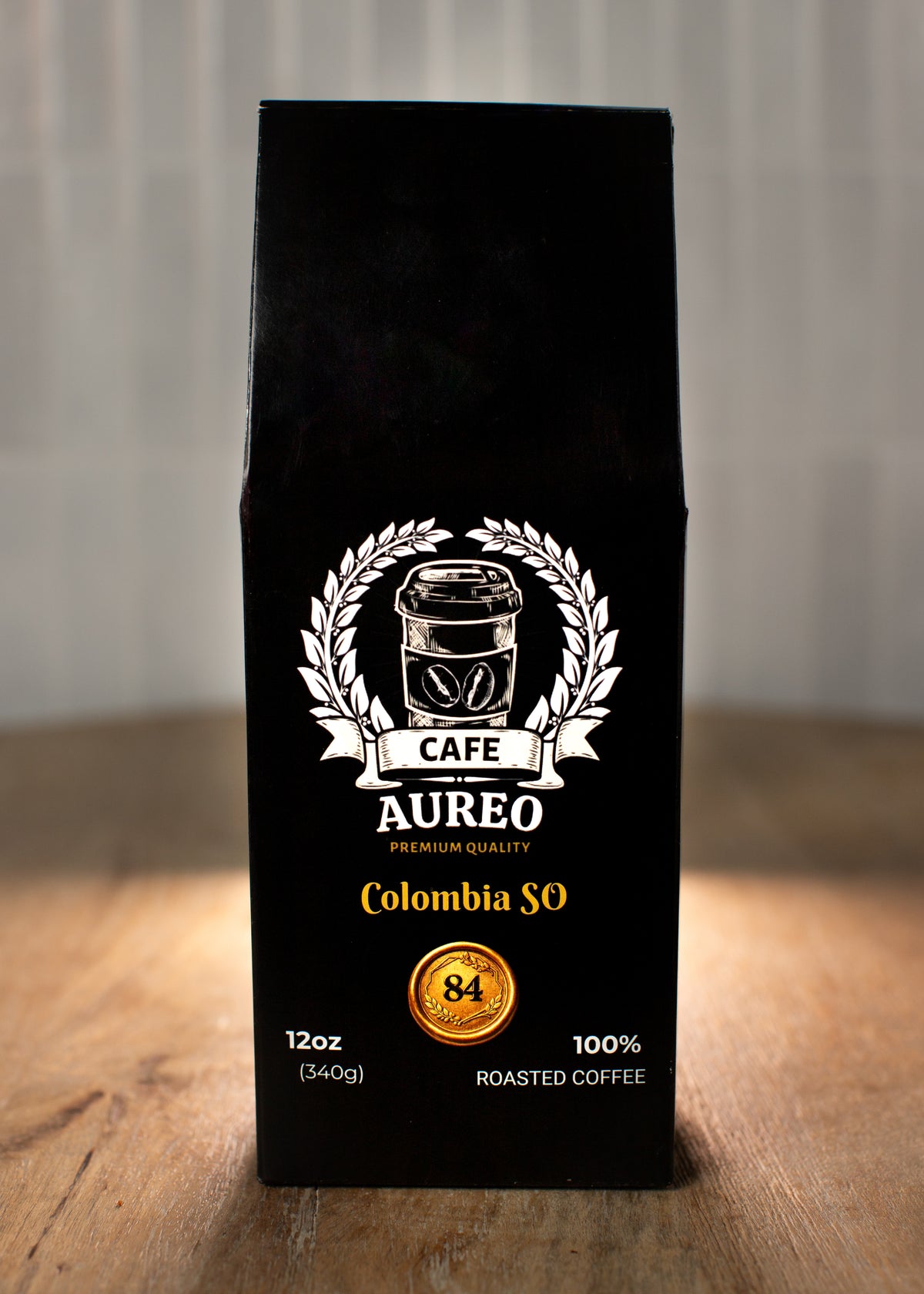
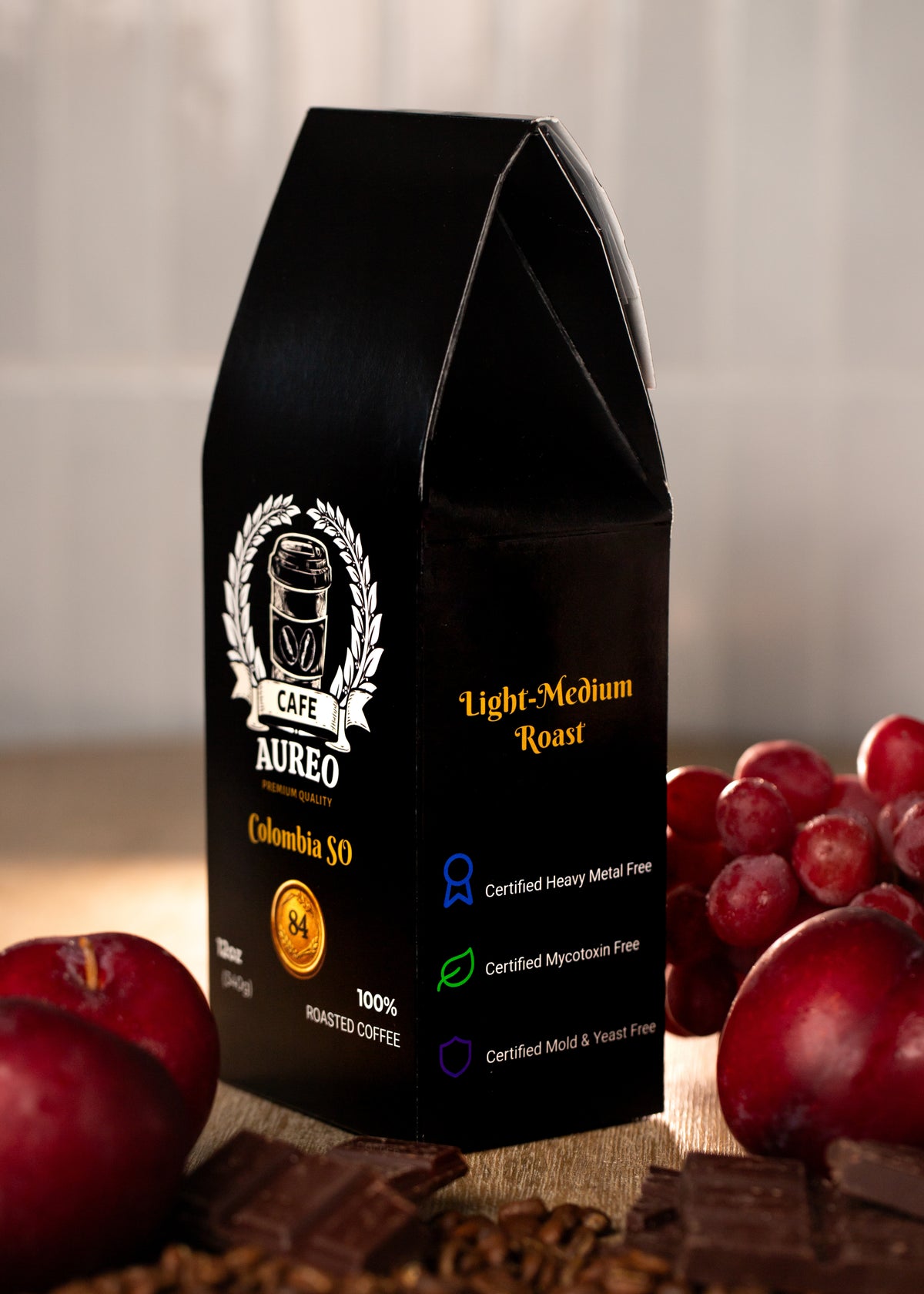
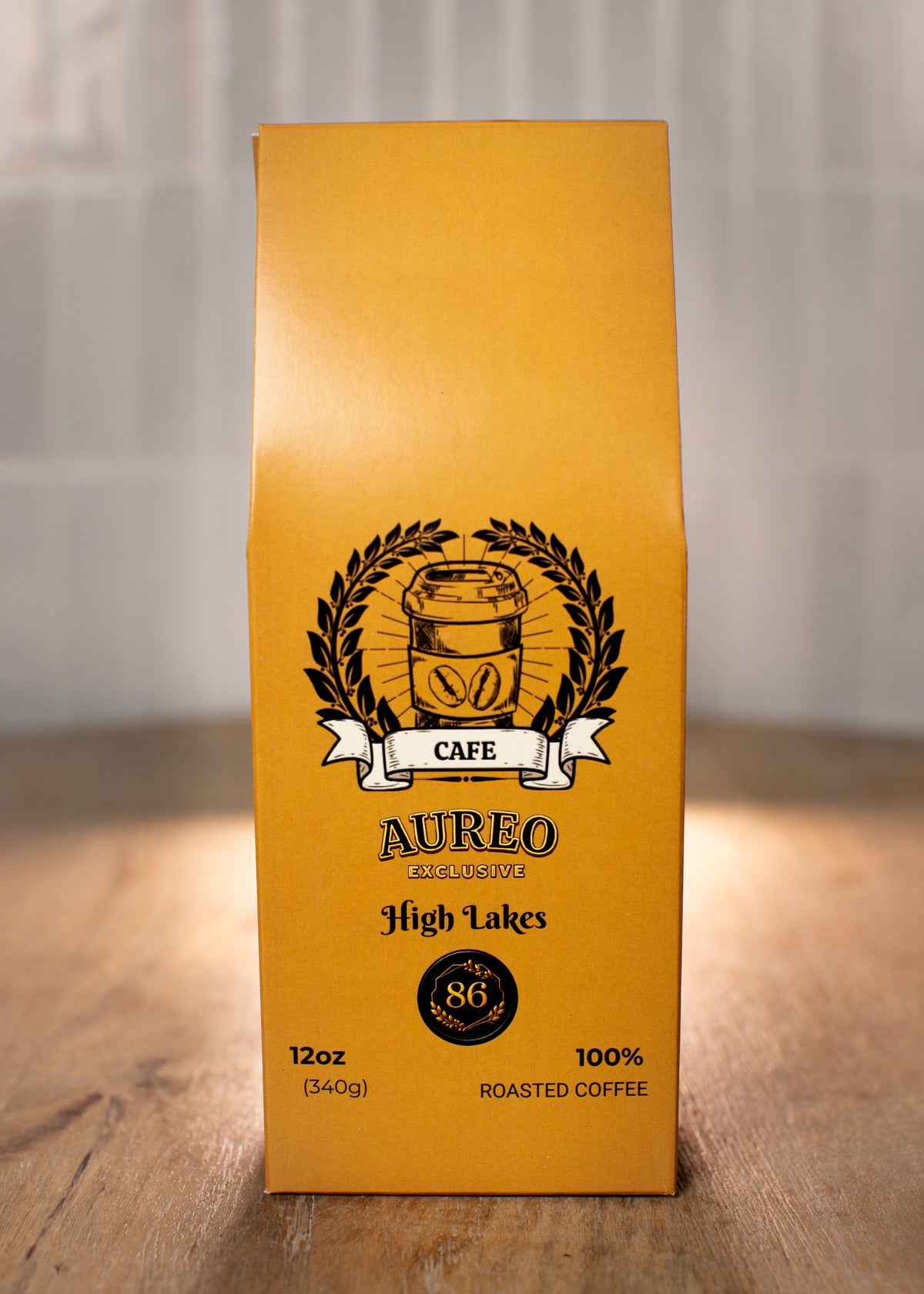
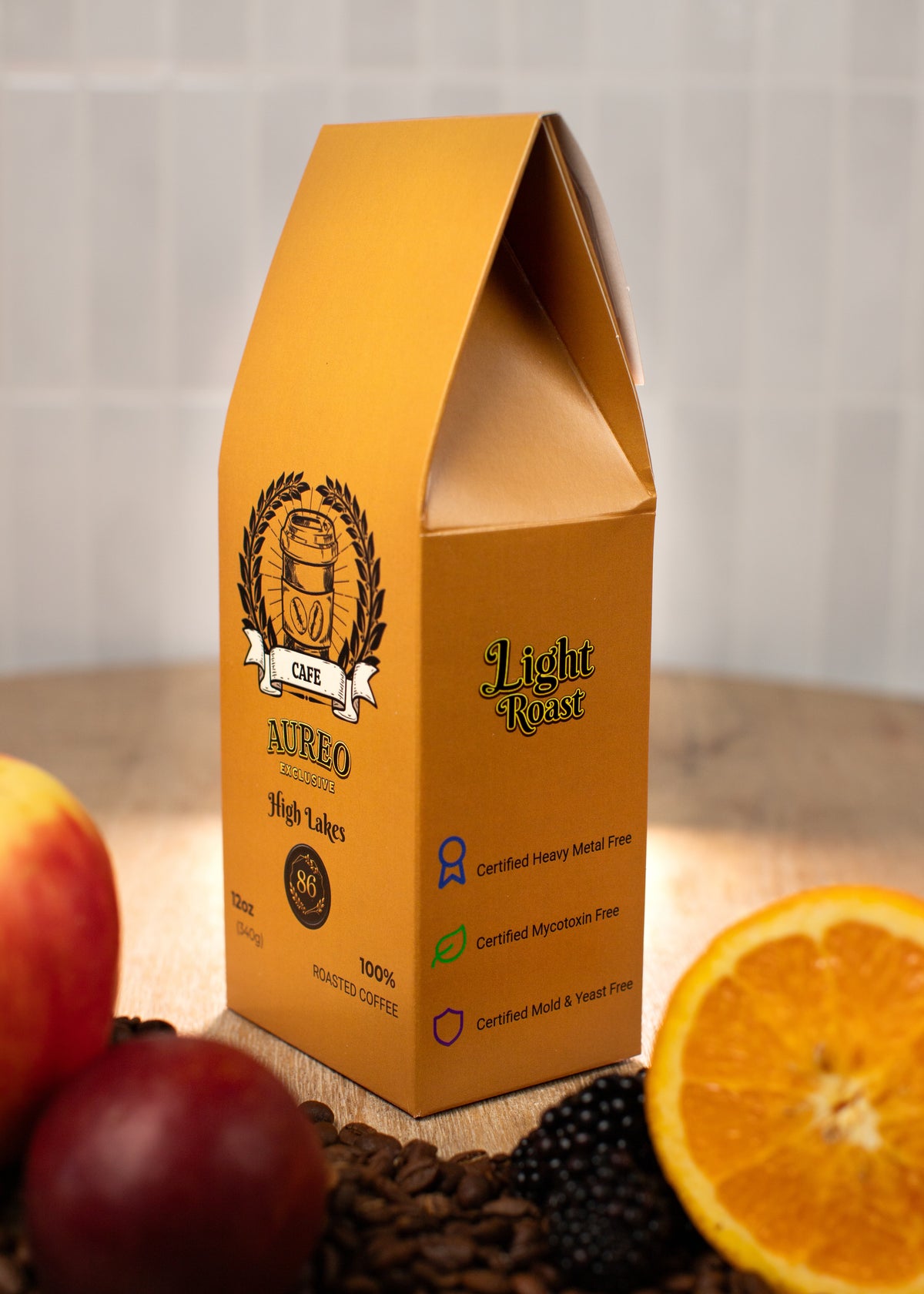
Pour-over brings out clarity, acidity and aroma, so it's especially rewarding with light and light-medium roasts. In the AUREO range, try Ethiopia Sidama SO (berry, stone fruit, jasmine-like florals), High Lakes (fresh fruit, citrus, light body) or Peru SO (apple, plum, pineapple, juicy smooth body).
That said, any coffee can be brewed as pour-over. Medium roasts produce a sweet, balanced cup, and darker roasts can taste smooth if you use slightly cooler water and a touch coarser grind. Learn how tasting notes help you choose, or compare all AUREO coffees.