"Specialty coffee" appears on a lot of bags, and it can sound like a marketing phrase. It isn't. The term has a defined meaning in the coffee industry, based on how a coffee is graded and how it tastes. Here's what it means, how it's measured and what it tells you as a shopper.
The short definition
Specialty coffee is coffee that scores 80 points or higher out of 100 on the Specialty Coffee Association (SCA) grading scale, and that meets strict standards for defects in the green, unroasted beans. Coffee that doesn't reach those standards is often called commercial or commodity coffee.
How coffee is graded
Grading has two parts:
- Green coffee inspection. A sample of unroasted beans is checked for defects such as insect damage, broken or moldy beans, or foreign material. Specialty grade allows very few defects.
- Cupping. Trained tasters, often called Q graders, roast and brew the coffee in a standardized way and score attributes such as fragrance, flavor, aftertaste, acidity, body, balance, sweetness and overall impression. The scores add up to a total out of 100.
What the scores mean
| Score | General description |
|---|---|
| 90–100 | Outstanding; rare and exceptional |
| 85–89.99 | Excellent |
| 80–84.99 | Very good: specialty grade |
| Below 80 | Below specialty grade |
A score describes a coffee as it was graded. It's useful context, but it isn't a guarantee of personal preference. An 84-point coffee you love is a better choice for you than an 88-point coffee you don't.
What makes specialty coffee different
- Quality at every step: careful growing, ripe-cherry harvesting, attentive processing and proper storage all affect whether a coffee reaches specialty grade.
- Traceability: specialty coffee usually identifies its origin, often down to the region, and frequently its altitude, processing method and plant variety.
- Distinct flavor: instead of a generic "coffee" taste, specialty coffees show identifiable characteristics: fruit, chocolate, florals, caramel.
- Thoughtful roasting: roast levels are chosen to suit each coffee rather than applied uniformly.
How to recognize it when you shop
Look for a bag that tells you more than a brand name and a roast level:
- The country and region of origin
- Processing method and altitude
- Specific tasting notes
- A clear roast level, and ideally freshness information
Our guide to how to read a coffee bag explains each of these details.
AUREO and specialty coffee
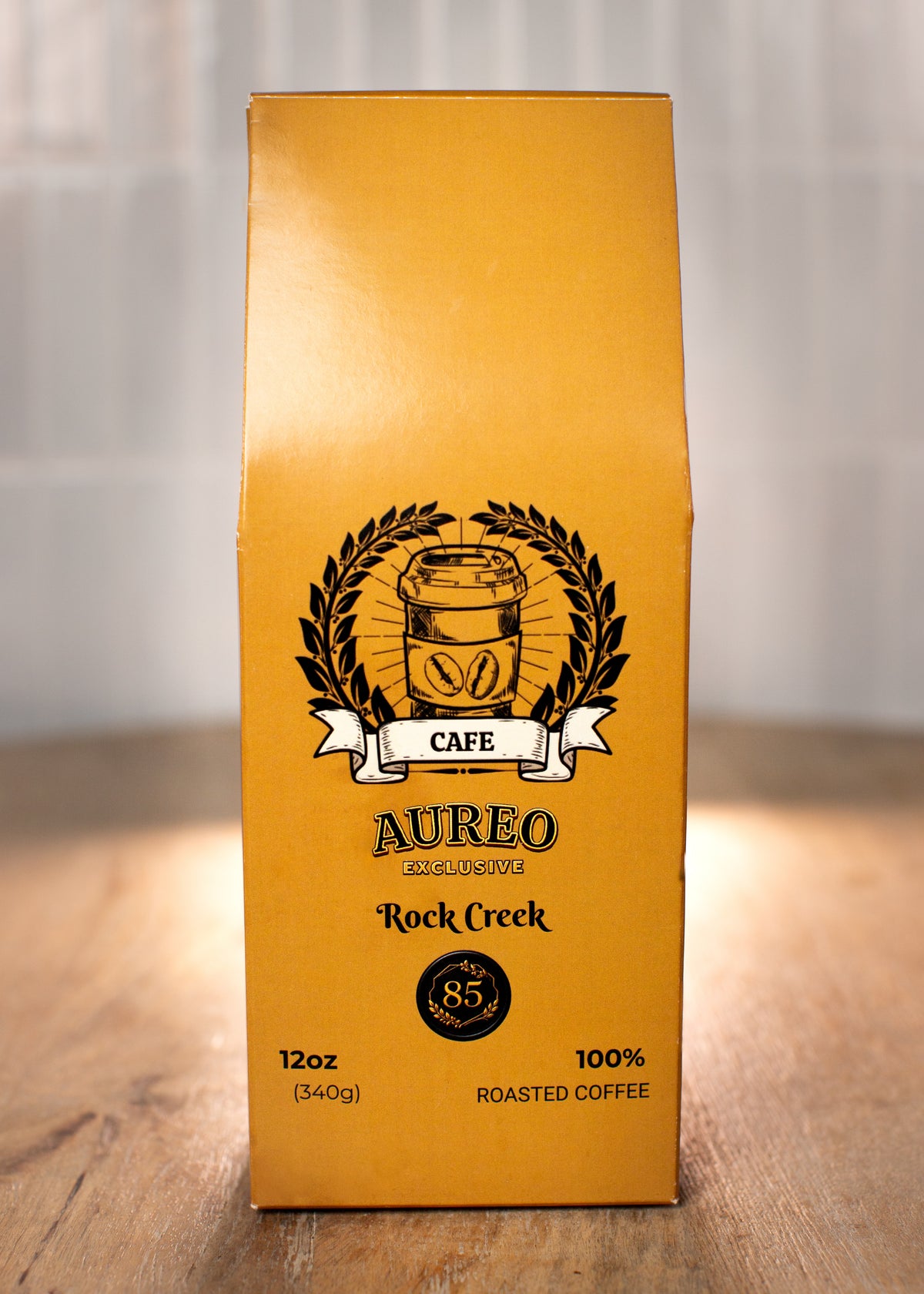
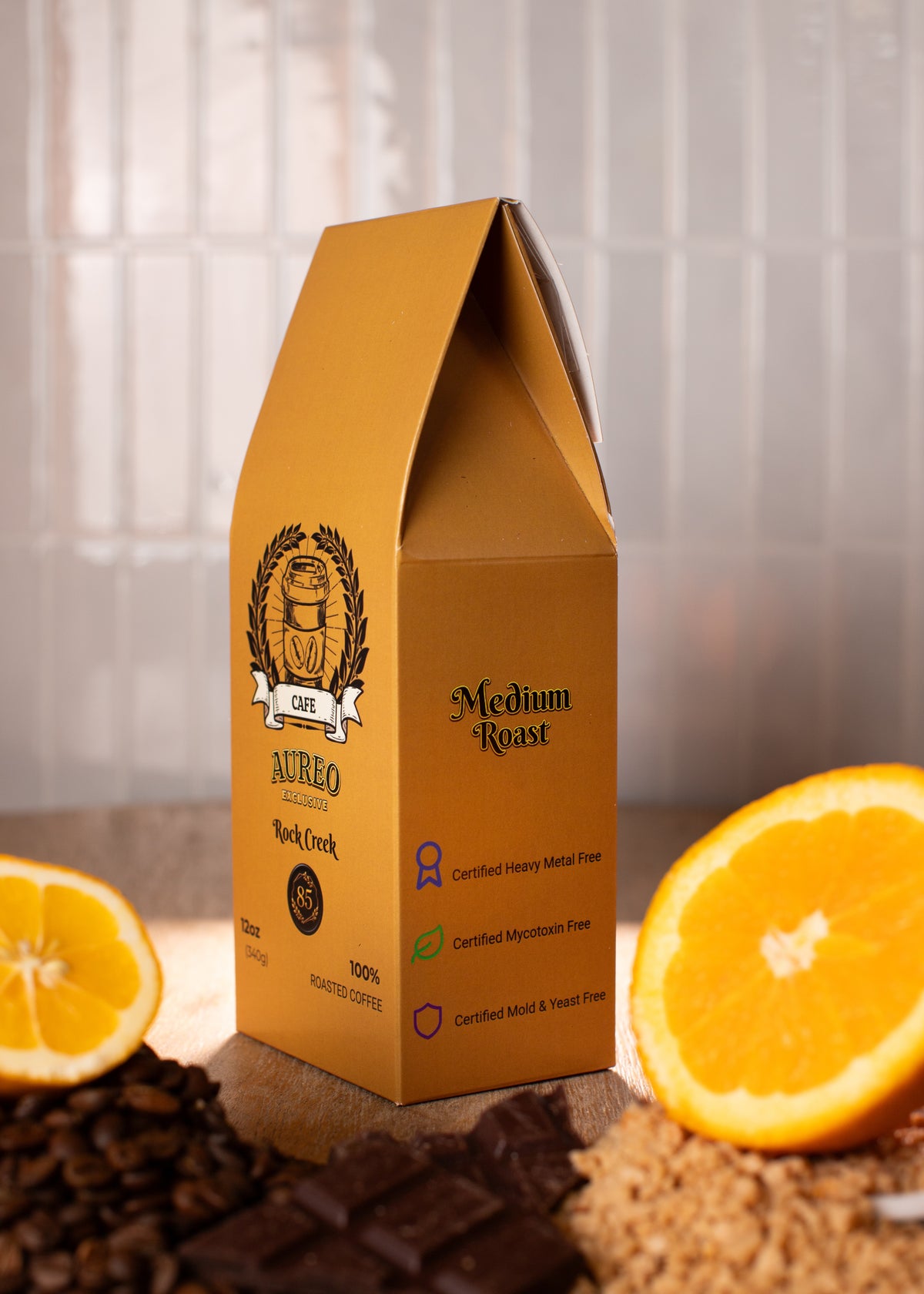
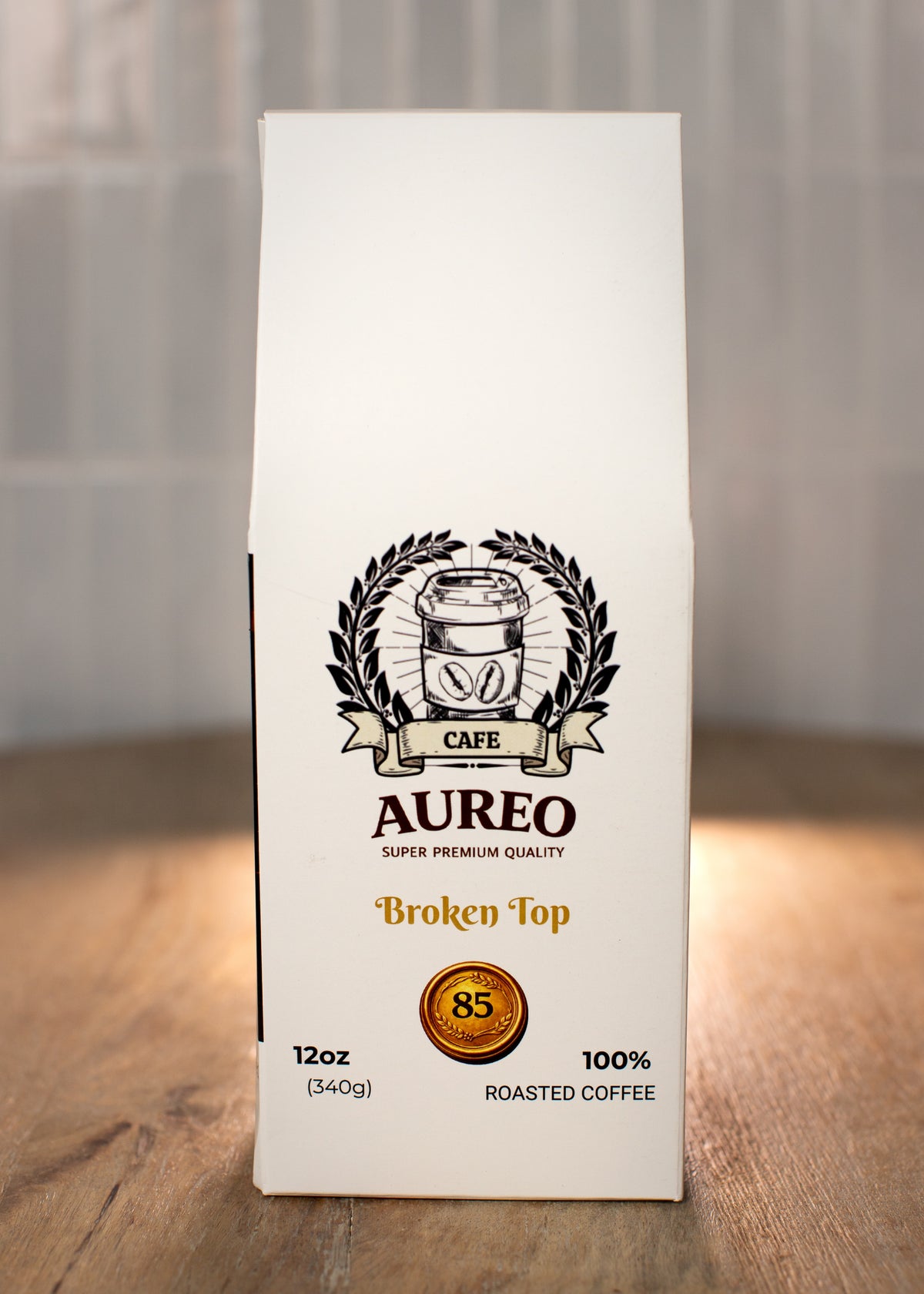
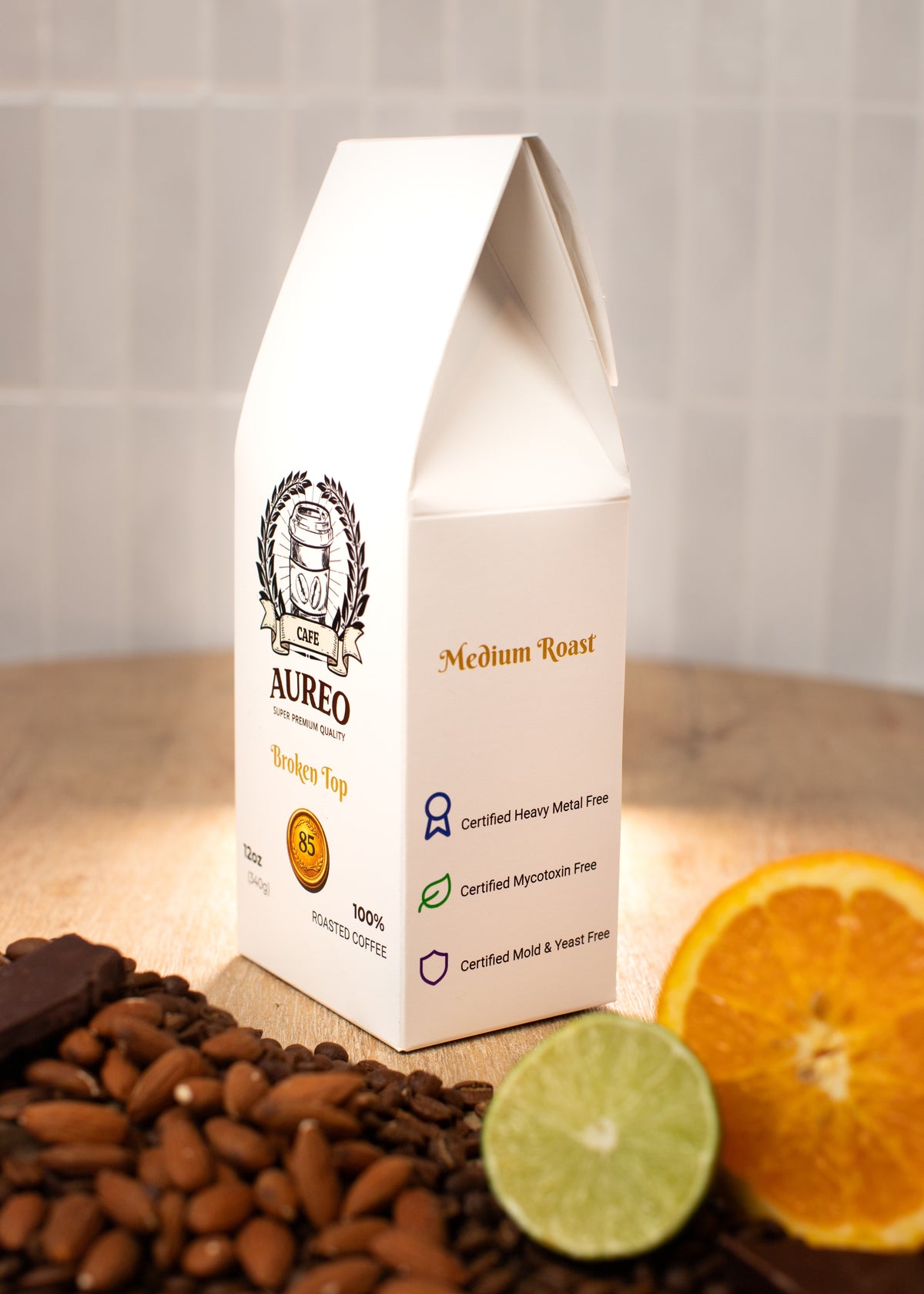
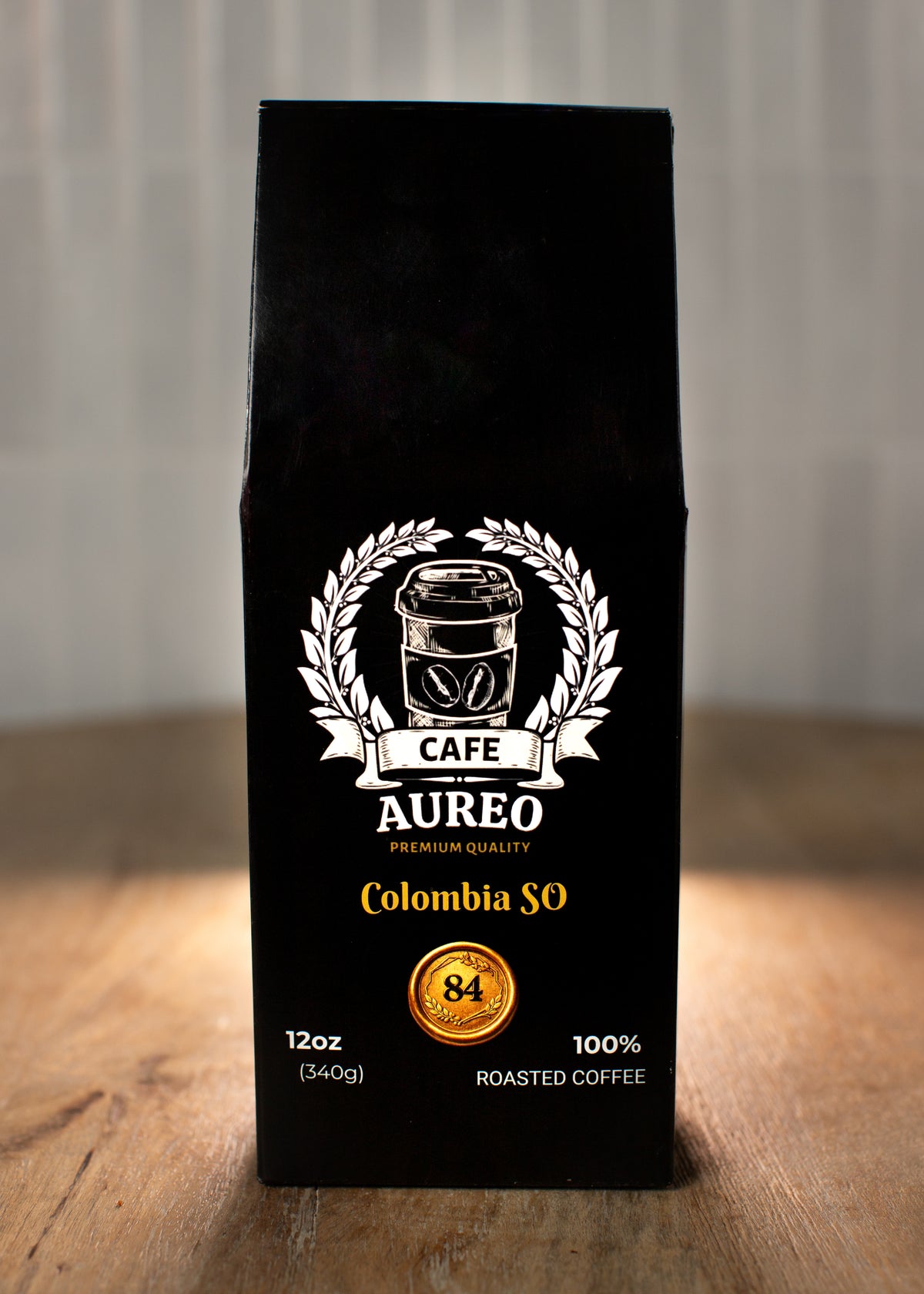
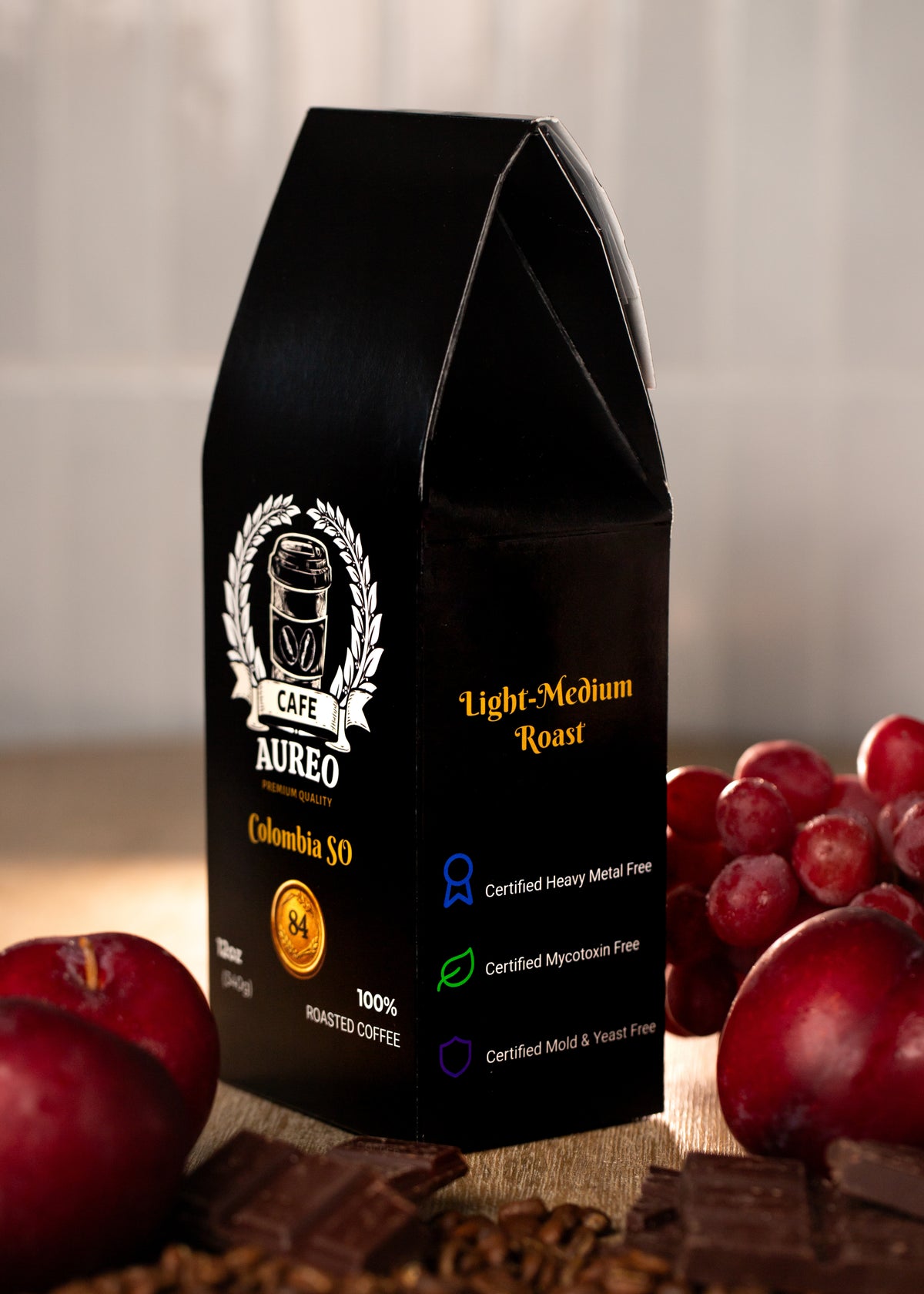
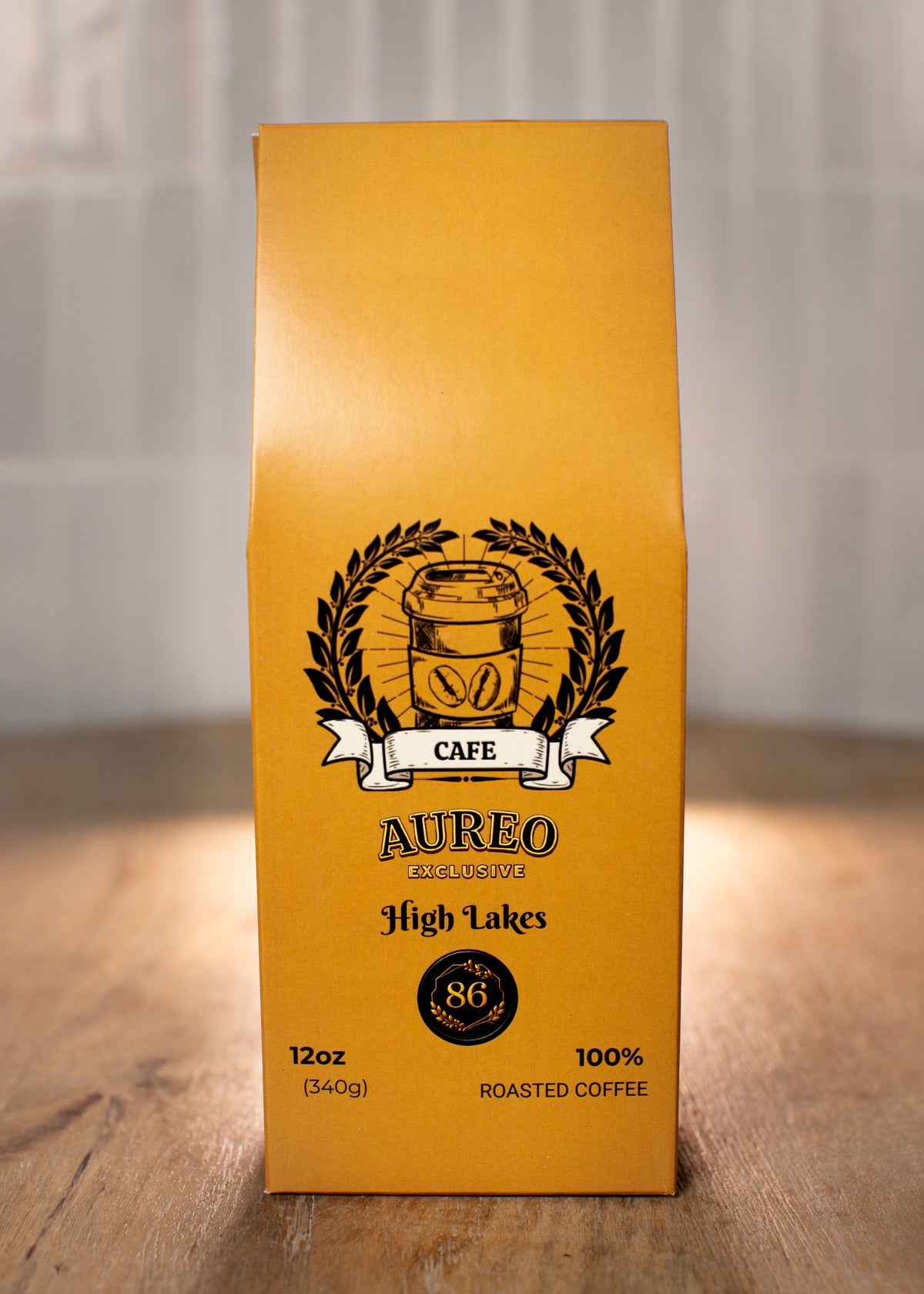
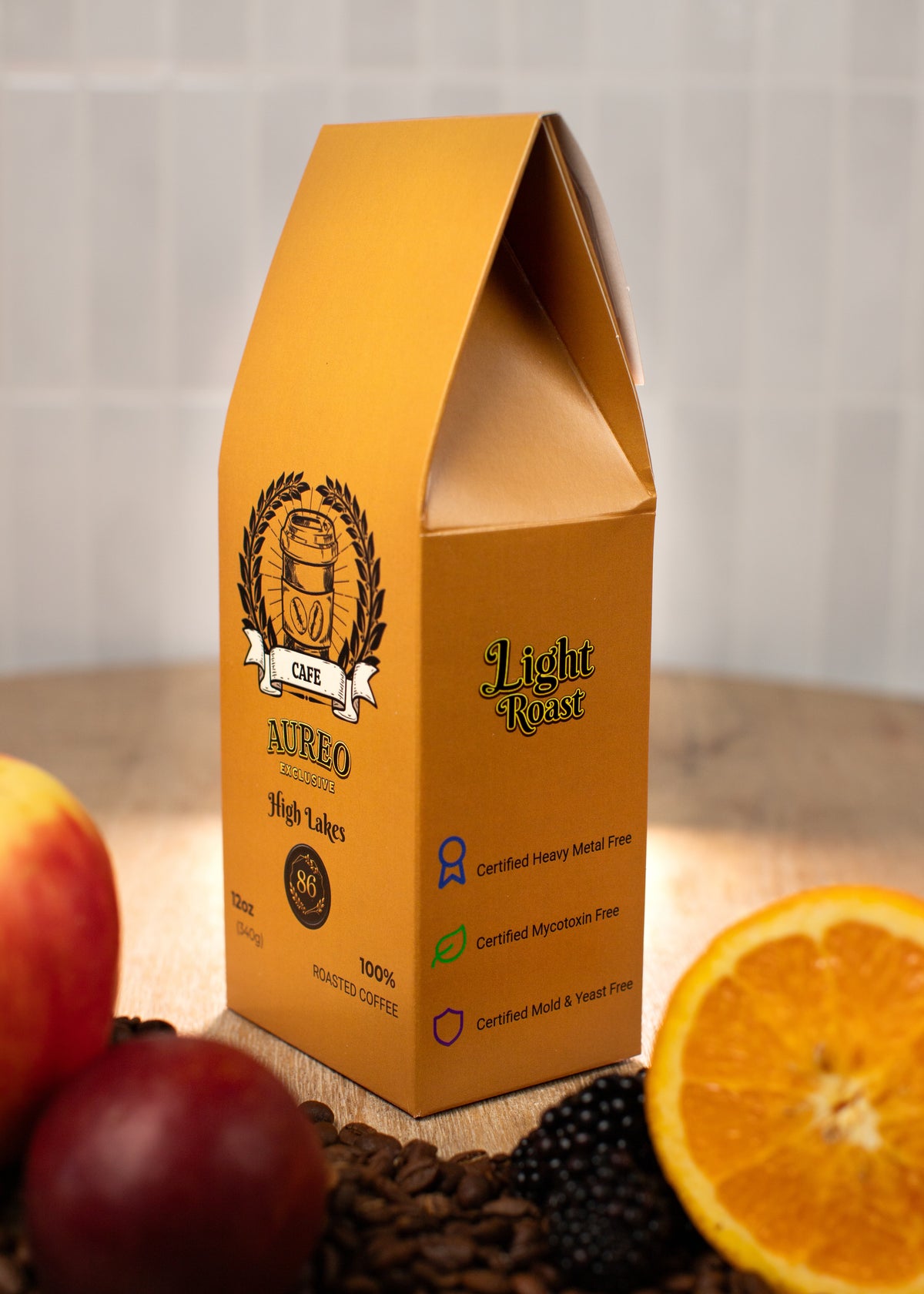
Every AUREO coffee is specialty grade (SCA 80+), and each product page lists its origin and region, altitude, processing method, varieties and tasting notes, so you can see what you're buying before you buy it. Explore them all in AUREO coffees, or start with how to choose coffee you'll actually like and understand the flavor descriptions with coffee tasting notes.